bhopali.in
हिन्दी
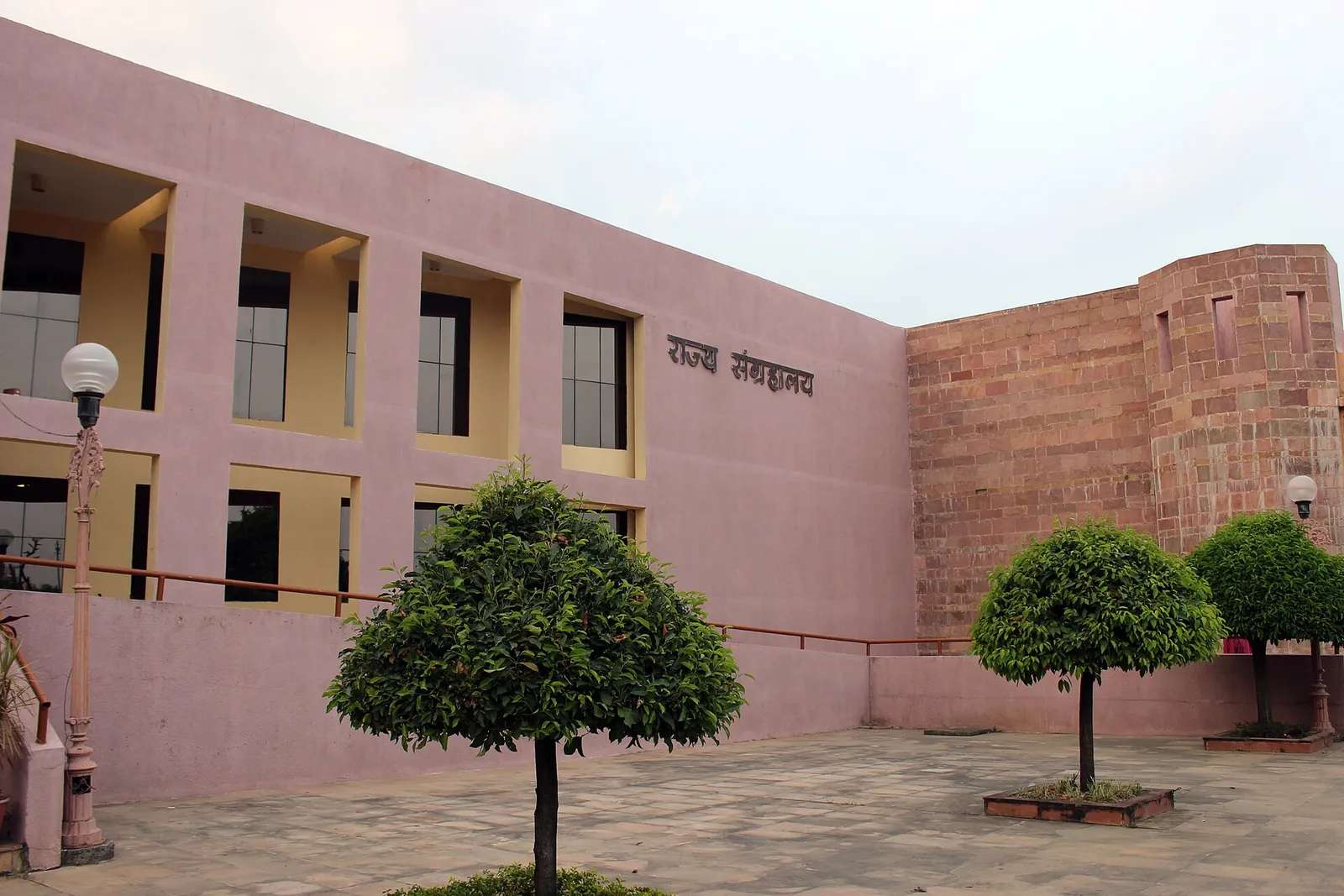
An open-air exhibit building at the National Museum of Mankind, Bhopal
Photo: Mujeebcpy / Wikimedia Commons (CC BY-SA 4.0)
bhopal museum open-air culture family

National Museum of Mankind (IGRMS), Bhopal

· 2 min read
Share this

Most museums put culture behind glass. This one puts it under the open sky. The Indira Gandhi Rashtriya Manav Sangrahalaya — the National Museum of Mankind, IGRMS for short — is a roughly 200-acre open-air museum spread across a hill on Bhopal’s Shyamla Hills, where the homes and lifeways of tribal and rural India are rebuilt full-size in the landscape. You don’t tour it so much as walk into it.

A museum the size of a park

Instead of corridors, IGRMS gives you trails across a wooded hilltop, dotted with authentic dwellings brought to life by craftspeople from the communities they represent — tribal huts, coastal homes, desert houses, a Himalayan village, sacred groves, rock-art recreations and more. Each cluster is built using genuine regional materials and techniques, so walking from one to the next is like travelling across India’s cultural map on foot.

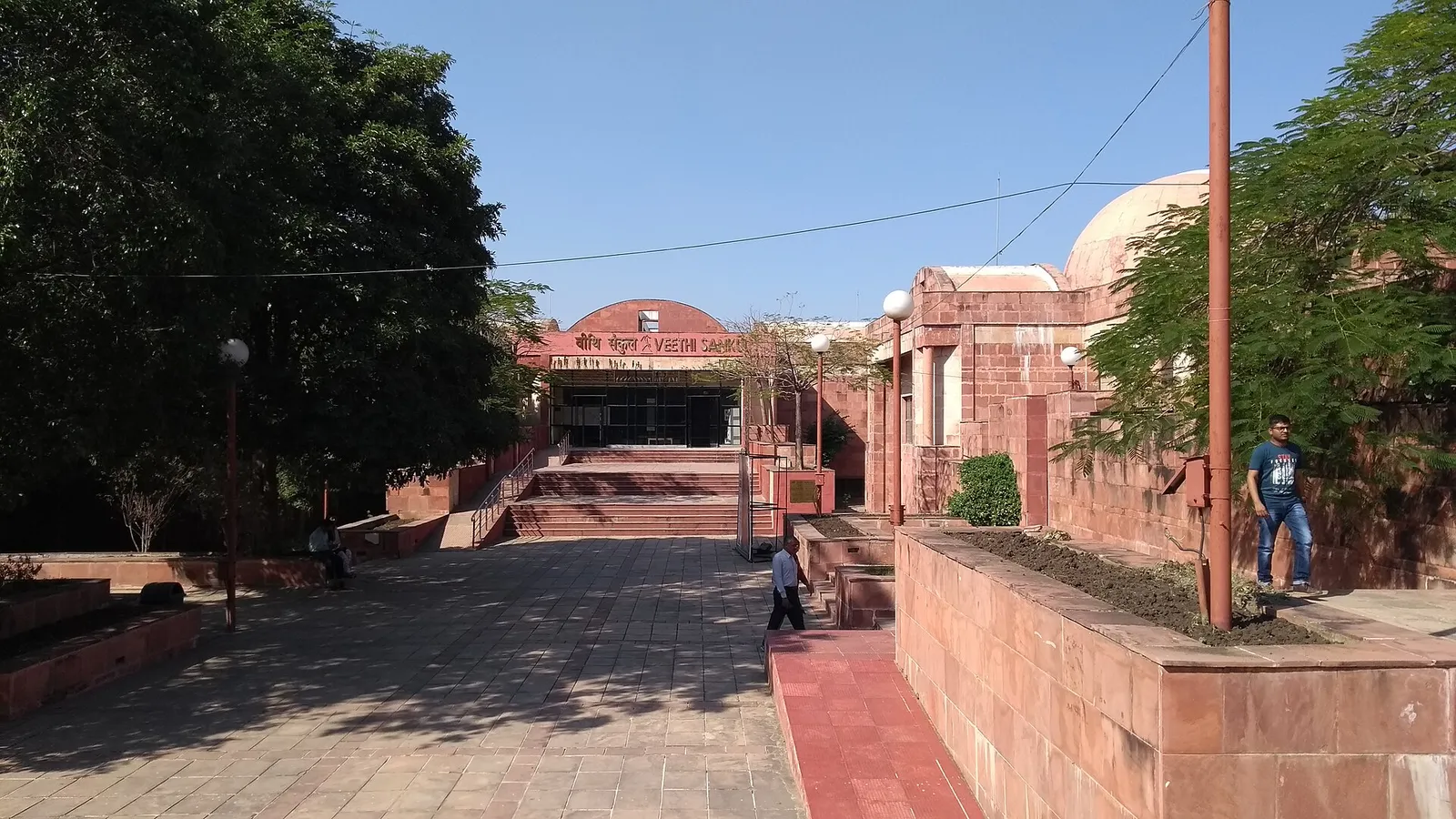
There are indoor galleries too (the Veethi Sankul exhibition hall), but the soul of the place is outdoors — which is exactly why it feels so different from a conventional museum, and why it’s such a good place to bring children or simply to spend a slow, green afternoon.

What to expect

  • Lots of walking. It’s big and hilly. Wear comfortable shoes, carry water, and don’t try to rush it.
  • Open-air authenticity. The dwellings are real builds, not models — peer inside.
  • Quiet. Even on weekends it rarely feels crowded, because the space absorbs visitors.

Where it fits

IGRMS sits right beside Van Vihar National Park and very close to the Tribal Museum and State Museum, all on Shyamla Hills overlooking the Upper Lake. That makes this corner of Bhopal a genuine half-to-full-day cultural circuit: wildlife, open-air anthropology, and tribal art within a couple of kilometres of each other.

Entry is modest (around ₹50), the air is clean, and the experience is unlike anything else in the city.


Timings and fees verified June 2026 against the IGRMS official website (igrms.gov.in). Seasonal hours apply; confirm before a special trip.
MM

Manish Mahadware

Curious explorer from Bhopal. After ~20 years in IT, I now build websites, apps and AI-powered utilities for clients, make YouTube videos, and help people invest through mutual funds.

Why visit

  • A 200-acre open-air museum — explore it like a park, not a hall
  • Authentic tribal and rural dwellings from all over India, rebuilt on a hill
  • Great for families; lots of walking, space and fresh air
  • Next to Van Vihar on Shyamla Hills — easy to combine

Quick info

Timings
March–August: 11:00 AM–6:30 PM · September–February: 10:00 AM–5:30 PM. Closed on Mondays and national holidays.
Entry fee
Around ₹50 per person; concessional ₹25 for students and groups. (Verified June 2026 — confirm at the counter.)
Best time
October to March, mid-morning onward — it's an outdoor museum, so cooler months and dry weather are far more comfortable.
How to reach
On Shyamla Hills, ~8 km from Bhopal Junction and about 1 km from Van Vihar. Auto-rickshaw or cab is easiest; combine with Van Vihar and the Tribal Museum.

Info verified: June 2026 (IGRMS official — igrms.gov.in)

Frequently asked questions

What are the Museum of Mankind (IGRMS) timings?
From March to August it's open 11:00 AM to 6:30 PM, and from September to February 10:00 AM to 5:30 PM. It is closed on Mondays and national holidays. Because it's a large outdoor site, arrive with a few hours of daylight in hand.
What is the entry fee for IGRMS Bhopal?
Entry is around ₹50 per person, with a concessional rate of about ₹25 for students and groups. Fees were verified in June 2026 against the official site; confirm at the counter.
What is the National Museum of Mankind?
Officially the Indira Gandhi Rashtriya Manav Sangrahalaya (IGRMS), it's a roughly 200-acre open-air museum that recreates the homes, art and ways of life of tribal and rural communities from across India — set across a hill so you explore it like a cultural park.
Is it good for families and children?
Very. It's outdoors, spacious and full of full-size dwellings, sculptures and trails to wander, so children have room to roam. Wear comfortable shoes and carry water, especially in the warmer months.
How is it different from the Tribal Museum?
The Tribal Museum (also on Shyamla Hills) is an indoor, art-led celebration of Madhya Pradesh's tribes. IGRMS is a vast open-air museum covering communities from all over India. They complement each other — many people do both.