bhopali.in
हिन्दी
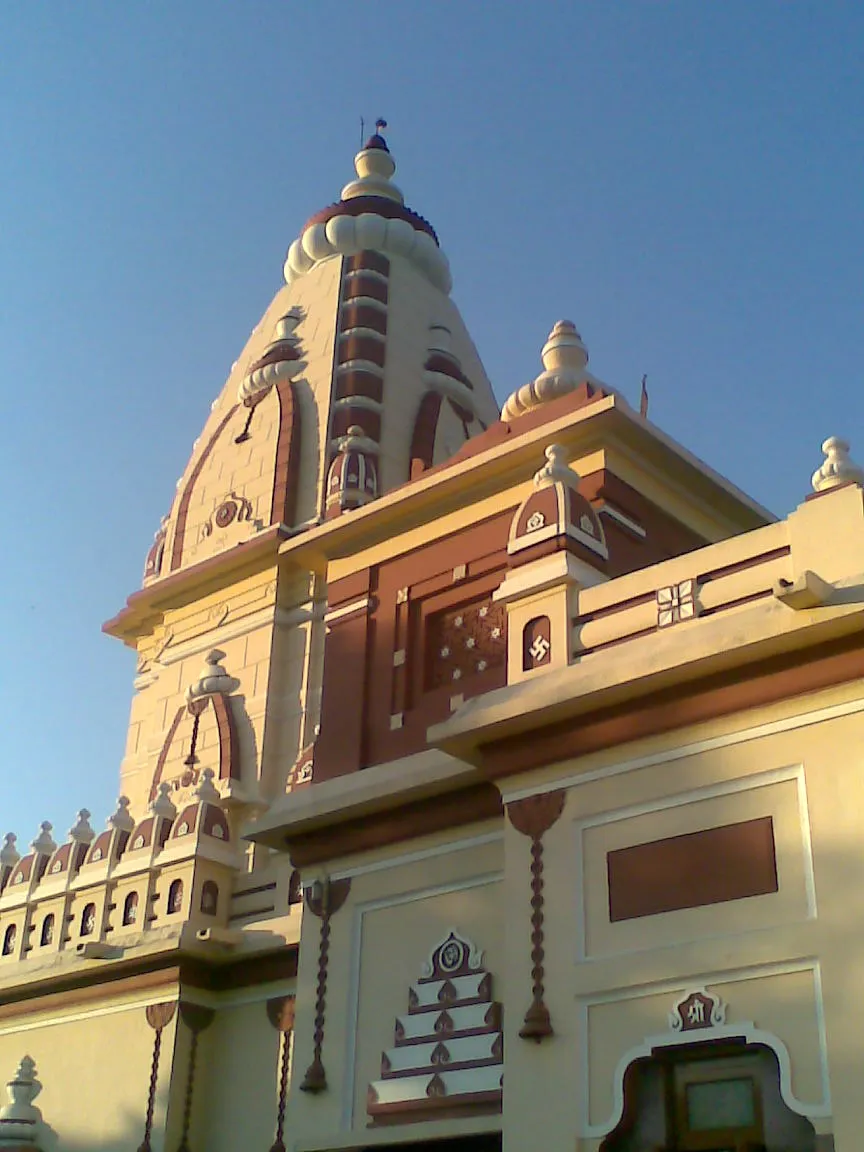
The Gufa Mandir (cave temple) at Lalghati, Bhopal
Photo: त्रिकूटदास / Wikimedia Commons (CC BY-SA 4.0)
bhopal temple spiritual cave shiva

Gufa Mandir, Bhopal — Lalghati Cave Temple

· 2 min read
Share this

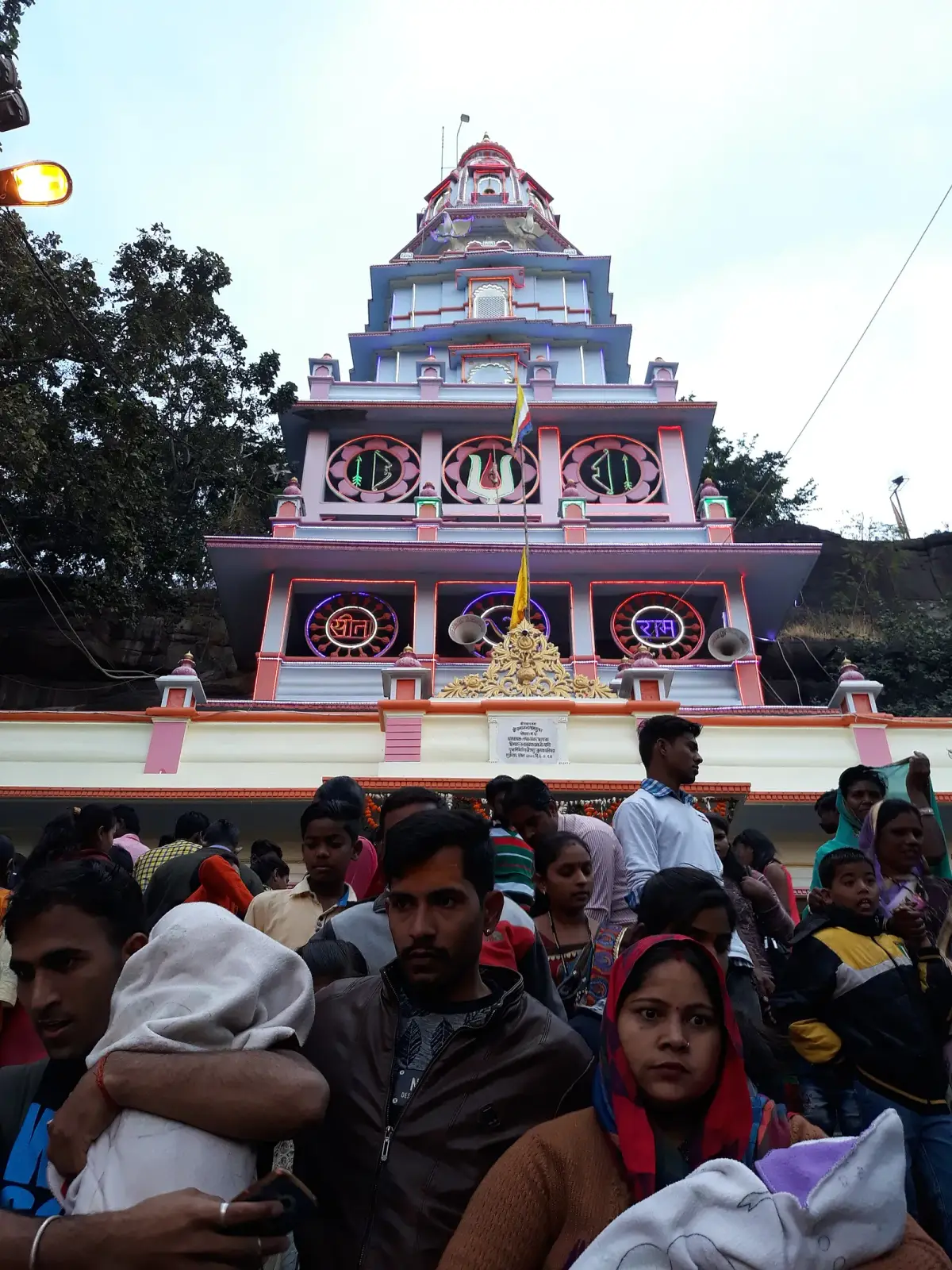
Tucked into a Lalghati hillside, Gufa Mandir turns a cluster of natural caves into one of Bhopal’s most distinctive temples. Its name means simply “cave temple”, and that’s exactly what it is — seven natural caves, each sheltering a shrine, with a Shiva lingam fed by a spring that locals say never runs dry. It’s an unusual, atmospheric stop, and a genuinely loved one among Bhopal’s residents.

A temple in the rock

The shrine was developed in the mid-20th century (around 1949) by Mahant Narayandas Tyagi, who built up the caves into a place of worship. Inside the seven caves you’ll find idols of Shiva, Ram, Lakshman, Sita, Hanuman and Durga, with the principal cave housing the Shiva lingam.

What gives Gufa Mandir its reputation is that lingam’s natural water source — a spring within the rock that is said to flow through the year, even in the dry heat of a Bhopal summer. For devotees, it’s the heart of the temple; for the curious visitor, it’s a quiet, cool, slightly mysterious space carved by water and time.

Where it fits

Gufa Mandir sits at Lalghati, on the northwestern, airport-ward side of the city — handy to fold into arrivals, departures, or a loop that takes in the Upper Lake, the hilltop Manua Bhan ki Tekri and the Birla Mandir. A short visit is enough to take it in, and it adds something different — a cave, a spring, a working shrine — to a day of Bhopal’s lakes and palaces.


Verified June 2026 against Madhya Pradesh temple and tourism listings. As a living temple, please be respectful of worshippers; confirm timings locally during festivals.

MM

Manish Mahadware

Curious explorer from Bhopal. After ~20 years in IT, I now build websites, apps and AI-powered utilities for clients, make YouTube videos, and help people invest through mutual funds.

Why visit

  • A cave temple set in seven natural caves on a Lalghati hillside
  • A Shiva lingam fed by a natural water source that runs year-round
  • An old Hanuman temple in the courtyard; lively at Mahashivratri & Navratri
  • Central and easy to reach, on the way to/from the airport side of town

Quick info

Timings
Open daily, roughly 7 AM–6 PM (some sources say from 6:30 AM). (Verified June 2026 — confirm locally.)
Entry fee
Free. (Verified June 2026.)
Best time
October to March. Mahashivratri, Navratri and the month of Sawan are especially lively; mornings are quietest.
How to reach
At Lalghati, ~6 km from New Market on the northwestern side of the city (towards the airport). Auto-rickshaw or cab is easiest.

Info verified: June 2026 (Madhya Pradesh temple & tourism listings)

Frequently asked questions

What is Gufa Mandir in Bhopal?
Gufa Mandir — literally 'cave temple' — is a Hindu shrine set into seven natural caves on a hillside at Lalghati in Bhopal. The caves house idols of deities including Shiva, Ram, Lakshman, Sita, Hanuman and Durga, and the main cave has a Shiva lingam fed by a natural spring.
What is special about the main cave?
The principal cave holds a Shiva lingam supplied by a natural water source that is said to keep flowing year-round, even through the summer — which is a large part of the temple's appeal and reputation.
What are the Gufa Mandir timings and entry fee?
It's generally open from about 7 AM to 6 PM daily (some sources say from 6:30 AM), and entry is free. Festivals such as Mahashivratri, Navratri and the month of Sawan are the busiest and most atmospheric times.
When was Gufa Mandir established?
The cave shrine was developed into a temple in the mid-20th century (around 1949) by Mahant Narayandas Tyagi. The complex also includes an old Hanuman temple in its courtyard and a Sanskrit college.
How do you reach Gufa Mandir?
It's at Lalghati, about 6 km from New Market on the northwestern side of Bhopal towards the airport. An auto-rickshaw or cab is the easiest way to get there.