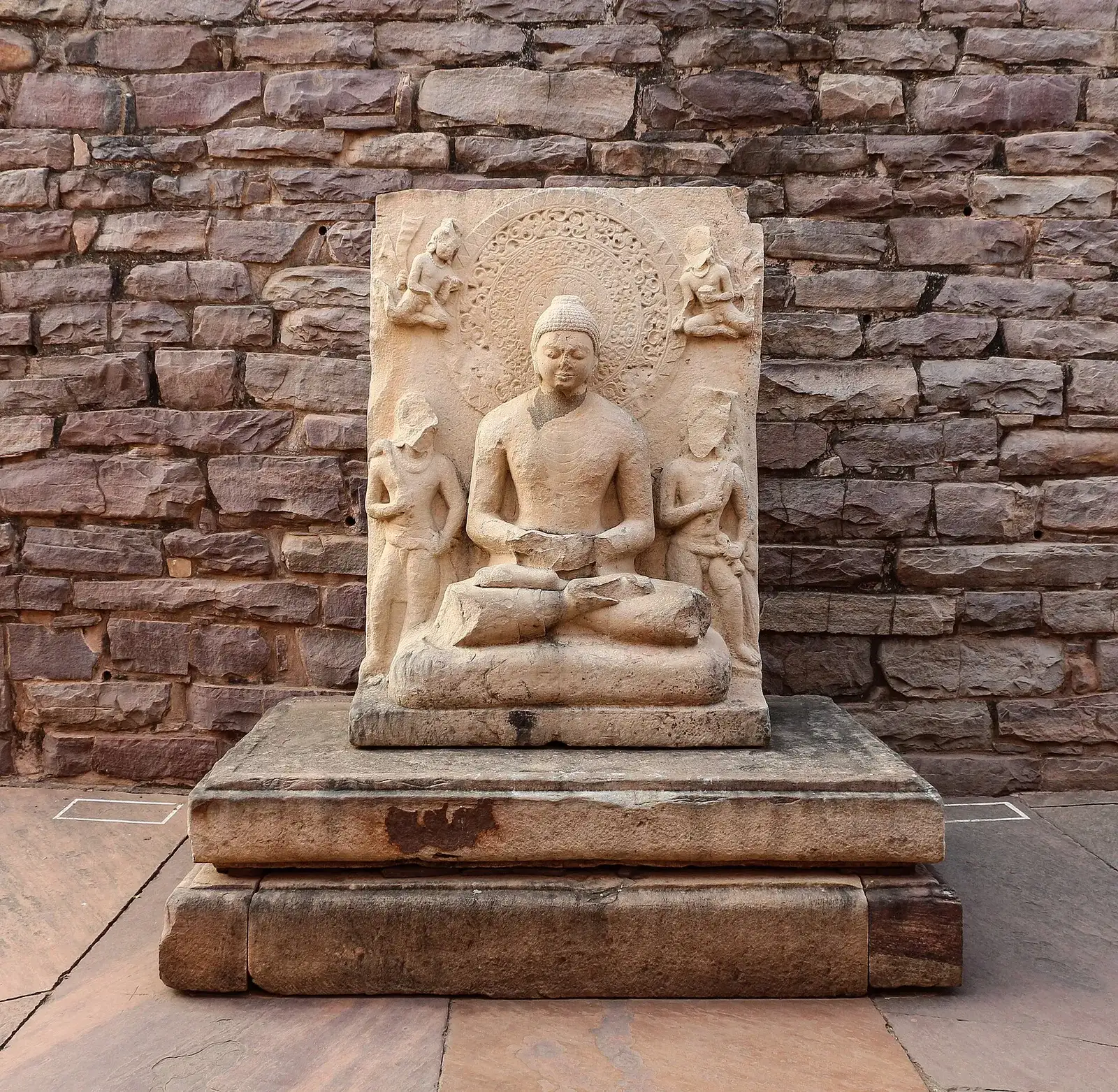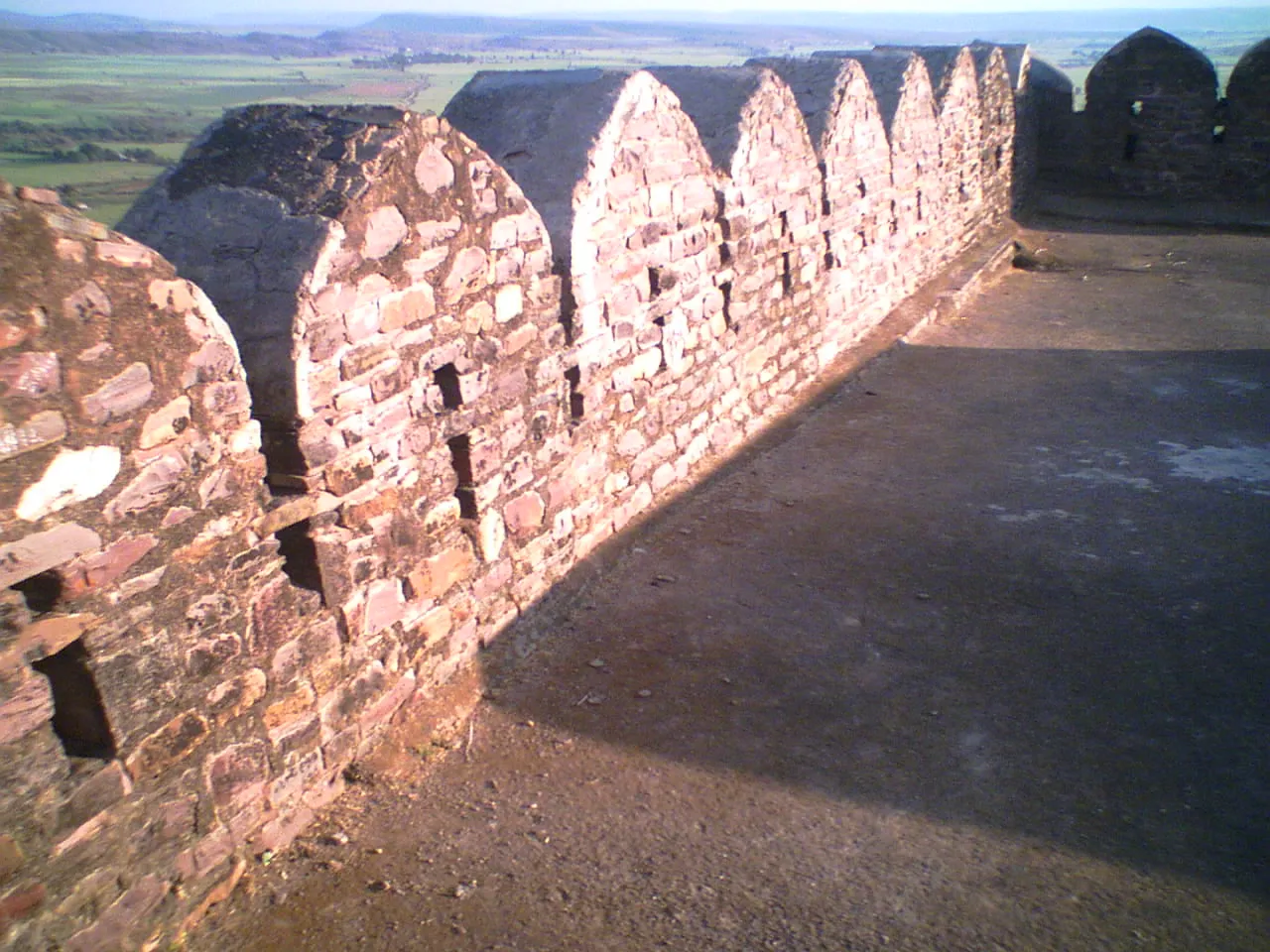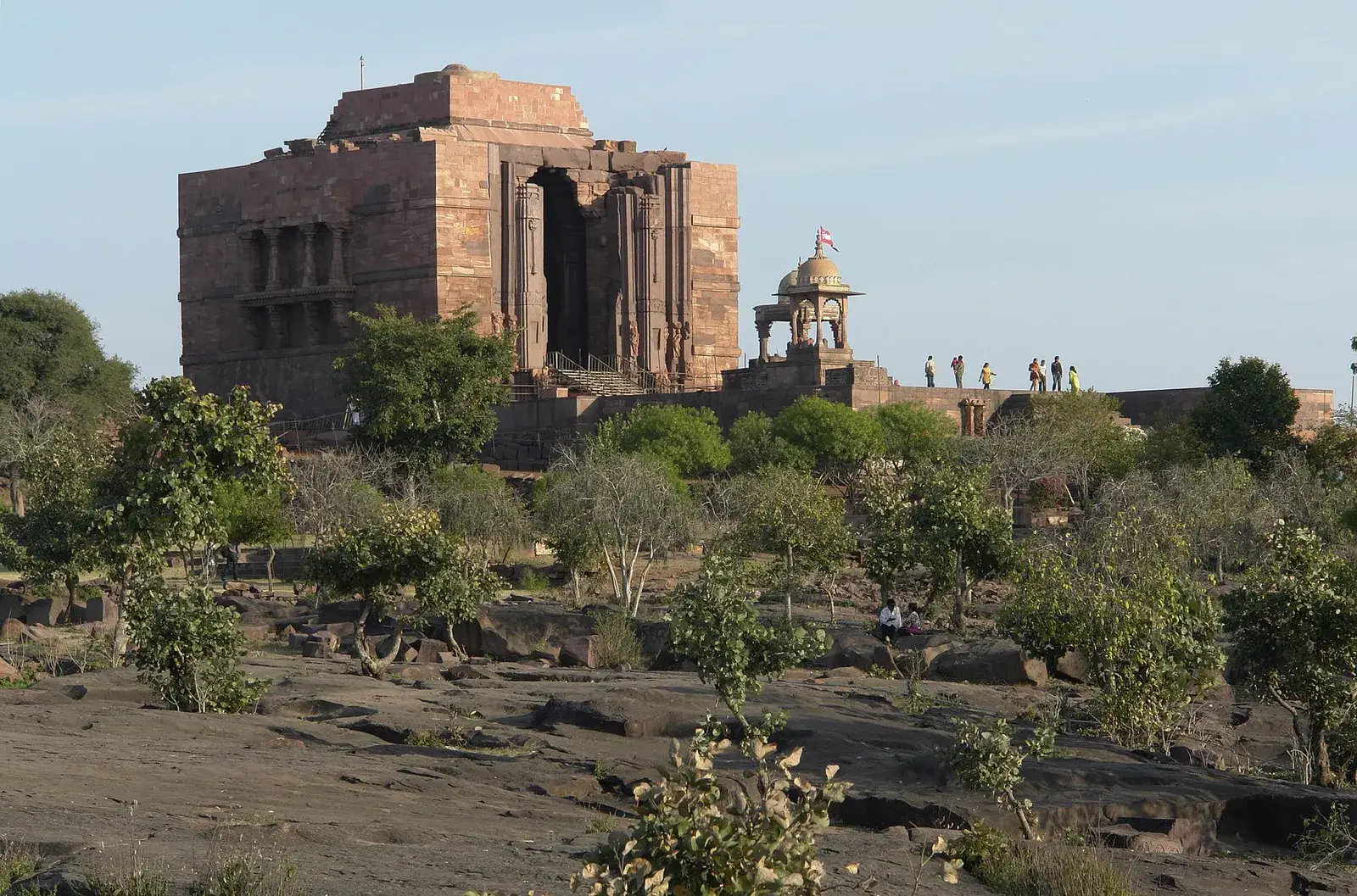
There is a carving at Udayagiri that you will not forget. In Cave 5, cut into a sandstone ridge near Vidisha, a four-metre bas-relief shows Vishnu in his form as Varaha — the divine boar — lifting the earth goddess Bhudevi from the cosmic ocean. The earth is tiny: a small figure cradled between the boar’s curved tusks. The cosmos, held in a gesture. Around the central scene, ranked rows of attendant deities and sages press together in adoration, filling every inch of the carved panel. This is from around 400–410 CE — the peak of the Gupta golden age — and it is widely regarded as one of the finest sculptures from ancient India. It is 65 km from Bhopal.
The Gupta golden age
The Gupta period (roughly 320–550 CE) is India’s closest equivalent to a classical renaissance. This was the era of the poet and playwright Kalidasa, of Aryabhata who proposed that the earth is round and calculated its circumference with remarkable accuracy, of the formalisation of the decimal positional system, of sophisticated advances in medicine, astronomy and metallurgy. The iron pillar at Delhi, still rust-free after 1,600 years, is a Gupta-era artefact.
The caves at Udayagiri were commissioned at the very peak of this period. Inscriptions at the site confirm the connection to Chandragupta II Vikramaditya — the emperor who presided over this golden age. The quality of the sculpture here, in craftsmanship and in intellectual ambition, reflects a civilisation at full confidence.
Walking the caves
The site is a sandstone ridge with 20 caves cut into it, mostly Hindu, with one Jain cave at the summit. Here are the ones to prioritise:
Cave 5 — the Varaha panel. Go here first, go here last, spend the most time here. Note not just the central figure but the river goddess Ganga riding her makara on the left doorjamb and Yamuna on the right — a pair that recurs throughout Gupta temple architecture as the sacred threshold. The relief demonstrates extraordinary mastery: the boar’s massive, textured body against the delicate, devotional rows of attendants below.
Cave 6 — Sheshashayi Vishnu. Vishnu reclining on the cosmic serpent Shesha (Anantashayi), with Brahma rising from a lotus at his navel while the gods of the heavenly court look on. Below, river goddesses in attendance. A contemplative counterpoint to the dynamism of Cave 5.
Cave 19. Large Ganga and Yamuna figures flank the doorway — among the finest renderings of the river goddess motif in Gupta art. Their respective vehicles (makara and tortoise) are rendered with care.
Cave 1. A Shiva linga with flanking dwarapalas (guardians). Simple, powerful, unadorned.
Cave 20 (Jain). At the top of the ridge, this is the only structurally intact roofed cave, with a Jain tirthankara seated in meditation. A quiet, contemplative end to the walk up.
After the caves, the hilltop offers a panoramic view across the Betwa river valley — the same landscape Chandragupta II would have looked out over sixteen centuries ago.
The day trip combination
Udayagiri pairs naturally with Sanchi Stupa (~13 km away) and the Heliodorus Pillar in Vidisha town — a 2nd-century BCE Greek pillar erected by a Hellenic ambassador to the Shunga court, one of the oldest non-Ashokan inscriptions in India and easy to overlook if you don’t know to look for it.
The recommended route: Bhopal → Udayagiri Caves → Heliodorus Pillar → Sanchi Stupa → back to Bhopal. Around 130 km total, easily done in a day if you leave by 8 AM. Carry lunch or buy it in Vidisha town; there are few food options at the caves themselves.
Getting to Udayagiri without a car requires taking a bus to Vidisha and hiring an auto for the final 6 km. The ASI ticket counter is at the base of the hill. The path up to the caves is straightforward but uneven — proper shoes matter.
Verified July 2026 against Wikipedia, ASI records and Madhya Pradesh Tourism. ASI entry fees and site hours are subject to revision — confirm at the ticket counter on the day.