bhopali.in
हिन्दी
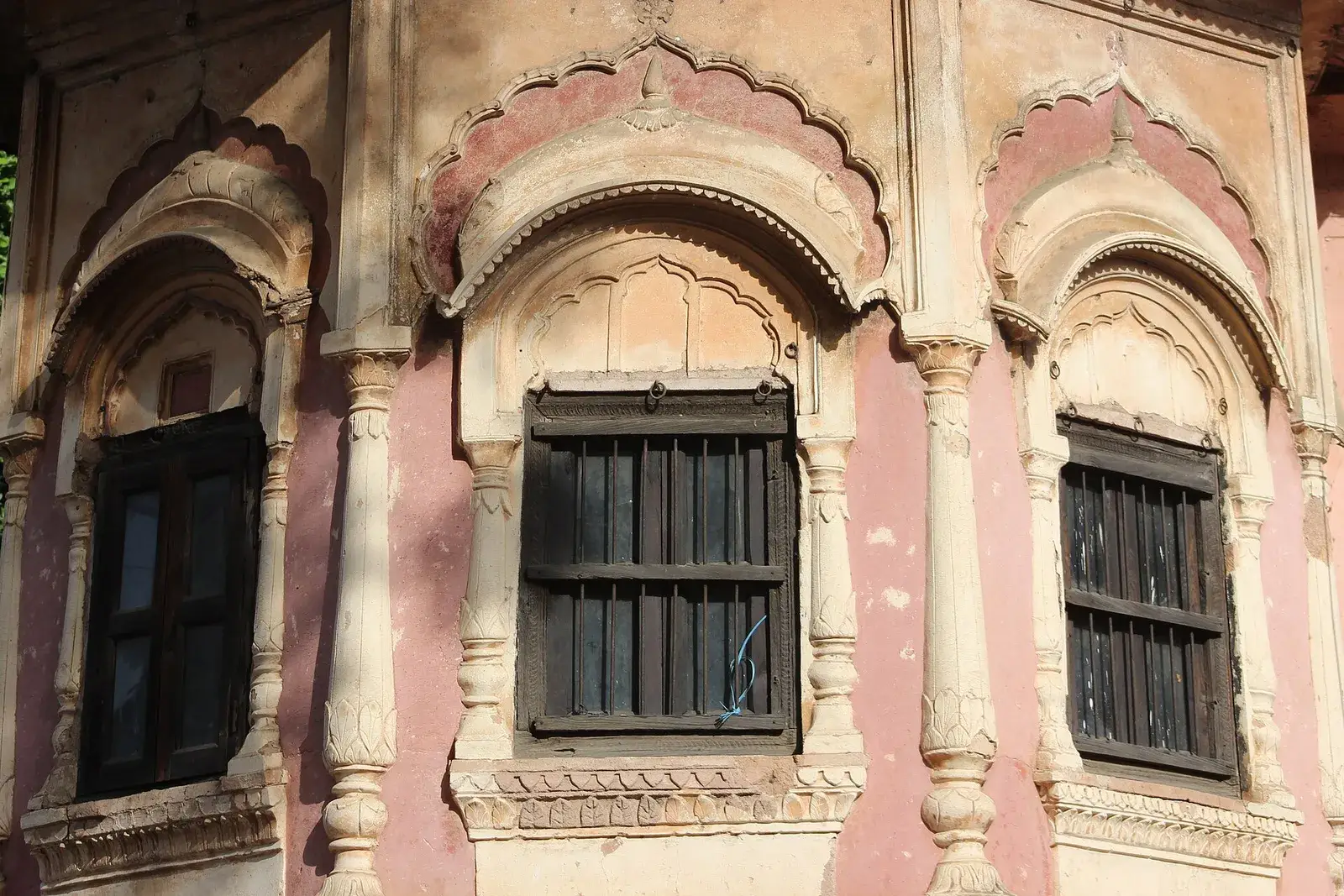
An ornate carved window at Gohar Mahal, Bhopal
Photo: Suyash Dwivedi / Wikimedia Commons (CC BY-SA 4.0)
bhopal heritage palace architecture old-city

Gohar Mahal, Bhopal — A Begum's Palace

· 2 min read
Share this

Gohar Mahal is where Bhopal’s remarkable century of women rulers begins. Built in 1820 by Qudsia Begum — the first woman to rule the Bhopal state — this graceful palace stands right beside the Upper Lake in the old city. It’s small, it’s free, and it’s one of the most atmospheric stops in all of Bhopal.

A queen’s statement

Qudsia Begum (also remembered as Gohar Begum) took power in the early 19th century and chose to build her residence and seat of work here, on the lakefront. The palace she raised is a confident blend of Mughal and Hindu architecture — arched Islamic openings alongside carved wooden pillars and brackets in a clearly Rajput-influenced idiom. That fusion is the visual signature of old Bhopal, a city long shaped by many cultures living side by side.

She was the first of the Begums of Bhopal, the line of women rulers who would go on to build Taj-ul-Masajid and govern the state for over a hundred years. Standing in Gohar Mahal, you’re at the start of that story.

What to see

The three-storey palace rewards slow looking: the carved wooden columns and brackets, the jharokha-style windows, the courtyards and the quiet rooms that once buzzed with court life. The state often uses Gohar Mahal as a venue for handicraft fairs and cultural exhibitions — so on many days you’ll find tribal crafts, textiles and artisans selling their work inside, which makes a visit doubly worthwhile.

An old-city anchor

Gohar Mahal is the natural anchor for an old-Bhopal walk. Within easy reach are Taj-ul-Masajid, the smaller Moti Masjid, the Shaukat Mahal and Sadar Manzil area, and the wonderfully chaotic Chowk bazaars. Park here, see the palace, and wander out into the lanes — this is the historic heart of the city, and it’s best explored on foot.


Verified June 2026 across multiple sources. Hours and any exhibition charges can vary — confirm on site.
MM

Manish Mahadware

Curious explorer from Bhopal. After ~20 years in IT, I now build websites, apps and AI-powered utilities for clients, make YouTube videos, and help people invest through mutual funds.

Why visit

  • Built in 1820 by Qudsia Begum, the first woman ruler of Bhopal
  • A graceful blend of Mughal and Hindu architecture by the Upper Lake
  • Free to enter; often hosts handicraft exhibitions and cultural events
  • The perfect anchor for an old-city heritage walk

Quick info

Timings
Open all days, roughly 8:00 AM–6:00 PM.
Entry fee
Free (a nominal charge may apply during special exhibitions). (Verified June 2026 — confirm on site.)
Best time
October to March, late afternoon — pair it with sunset by the adjacent Upper Lake.
How to reach
~2 km from New Market in the old city, right by the Upper Lake on VIP Road. Auto-rickshaw ₹50–80; walkable from the lakefront. Close to Taj-ul-Masajid and the Chowk bazaars.

Info verified: June 2026 (multiple sources; corroborated)

Frequently asked questions

Who built Gohar Mahal and when?
Gohar Mahal was built in 1820 by Qudsia Begum (also known as Gohar Begum), the first woman ruler of the Bhopal state. It served as her residence and working palace and is one of the earliest monuments of Bhopal's century of women rulers.
What are Gohar Mahal's timings and entry fee?
It's open all days, roughly 8 AM to 6 PM, and entry is free (a nominal charge may apply during ticketed exhibitions). Verified June 2026 — confirm on site.
What is there to see at Gohar Mahal?
A graceful three-storey palace blending Mughal and Hindu architectural styles, with carved wooden pillars, arched windows and courtyards. It frequently hosts handicraft fairs and cultural exhibitions, so there's often something on.
How does Gohar Mahal fit into a Bhopal itinerary?
It sits right by the Upper Lake in the old city, so it pairs naturally with a lakefront sunset, Taj-ul-Masajid, and the Chowk bazaars — an easy and atmospheric old-Bhopal half-day on foot.