Before there was Bhopal, there was Islamnagar. About 11 km north of the city, this quiet cluster of palaces and gardens is where Dost Mohammad Khan — the Afghan soldier-turned-ruler remembered as the founder of the Bhopal state — first set up his capital in the early 1700s. Come here and you’re standing at the place where the whole story of the city began.
The founder’s first capital
After the death of the Mughal emperor Aurangzeb in 1707, an ambitious Afghan commander named Dost Mohammad Khan carved out his own territory in this region. He took the older settlement here, renamed it Islamnagar, and made it his seat of power before later shifting his capital to Bhopal itself. The palaces he raised at Islamnagar are, in effect, the prologue to everything the Begums and Nawabs built afterwards.
The palaces
Two buildings anchor the site:
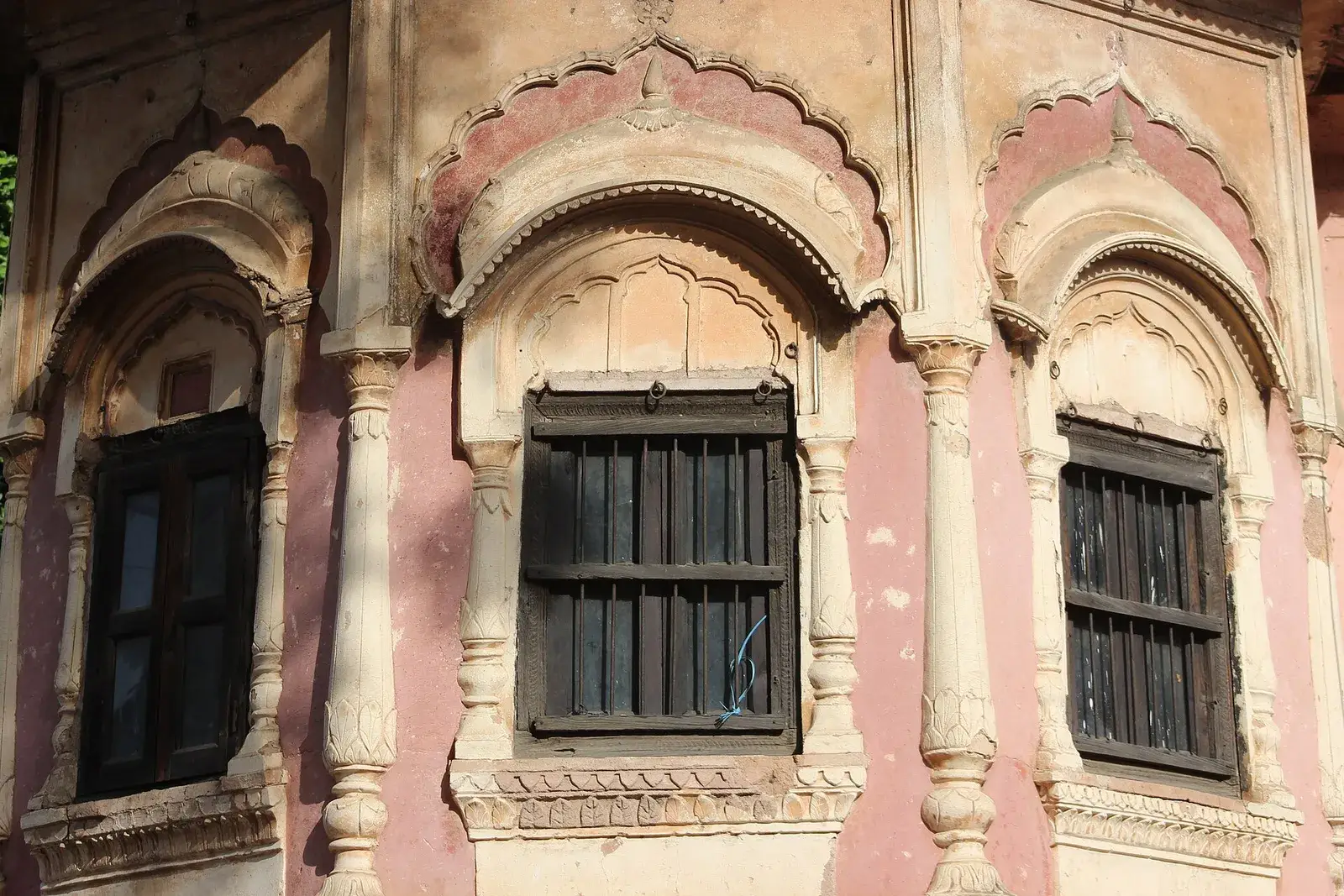
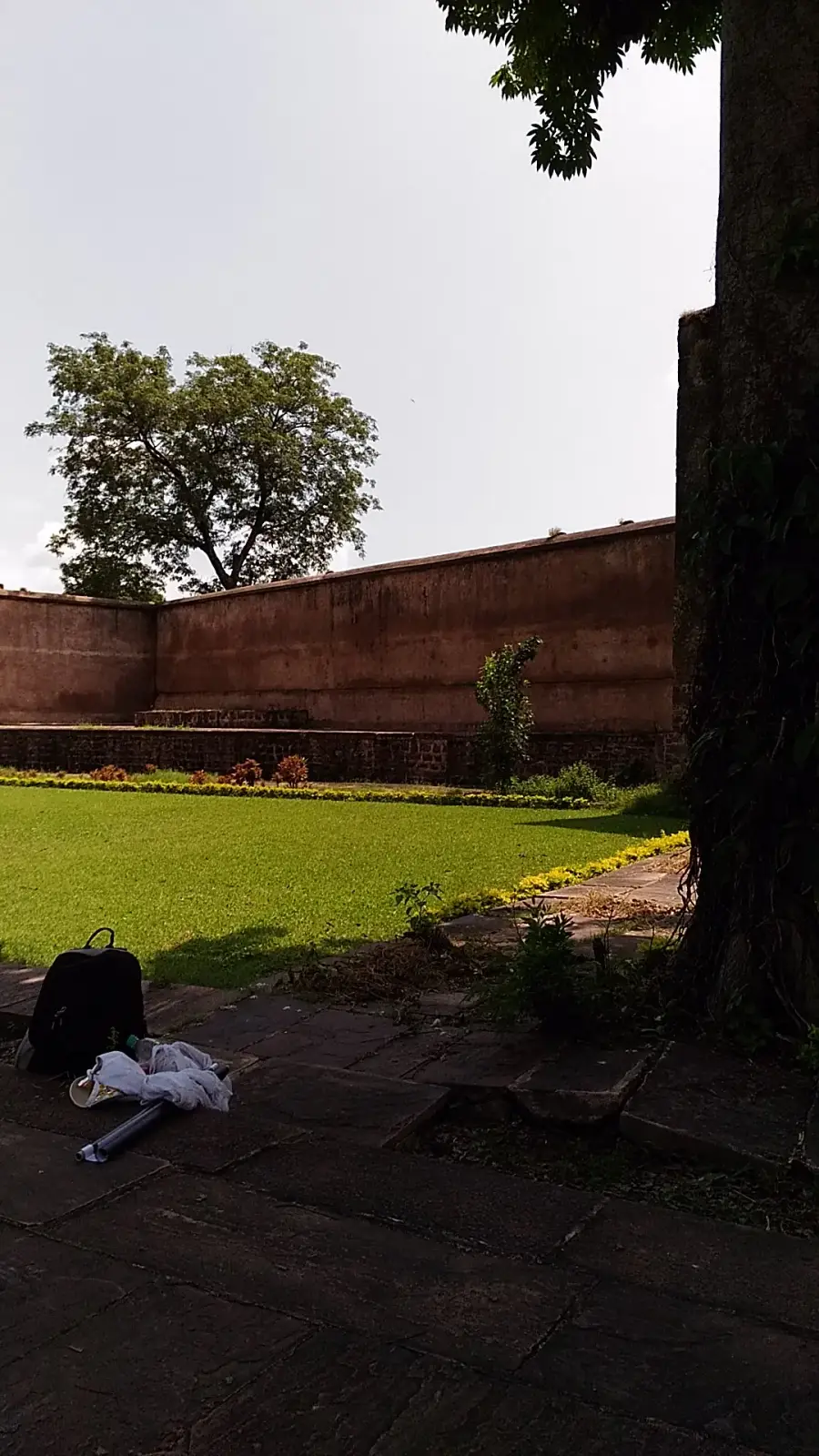
- Chaman Mahal — the “garden palace” (chaman means garden), a graceful red-sandstone structure set around a garden with fountains and water channels. Its design blends Mughal and Rajput elements — arched pavilions, a hamam, delicate detailing.
- Rani Mahal — built as the residence for the ruler’s queens, a quieter counterpart to the garden palace.
Together they have an unhurried, faintly melancholy charm — the kind of place you can wander almost alone.
Making the trip
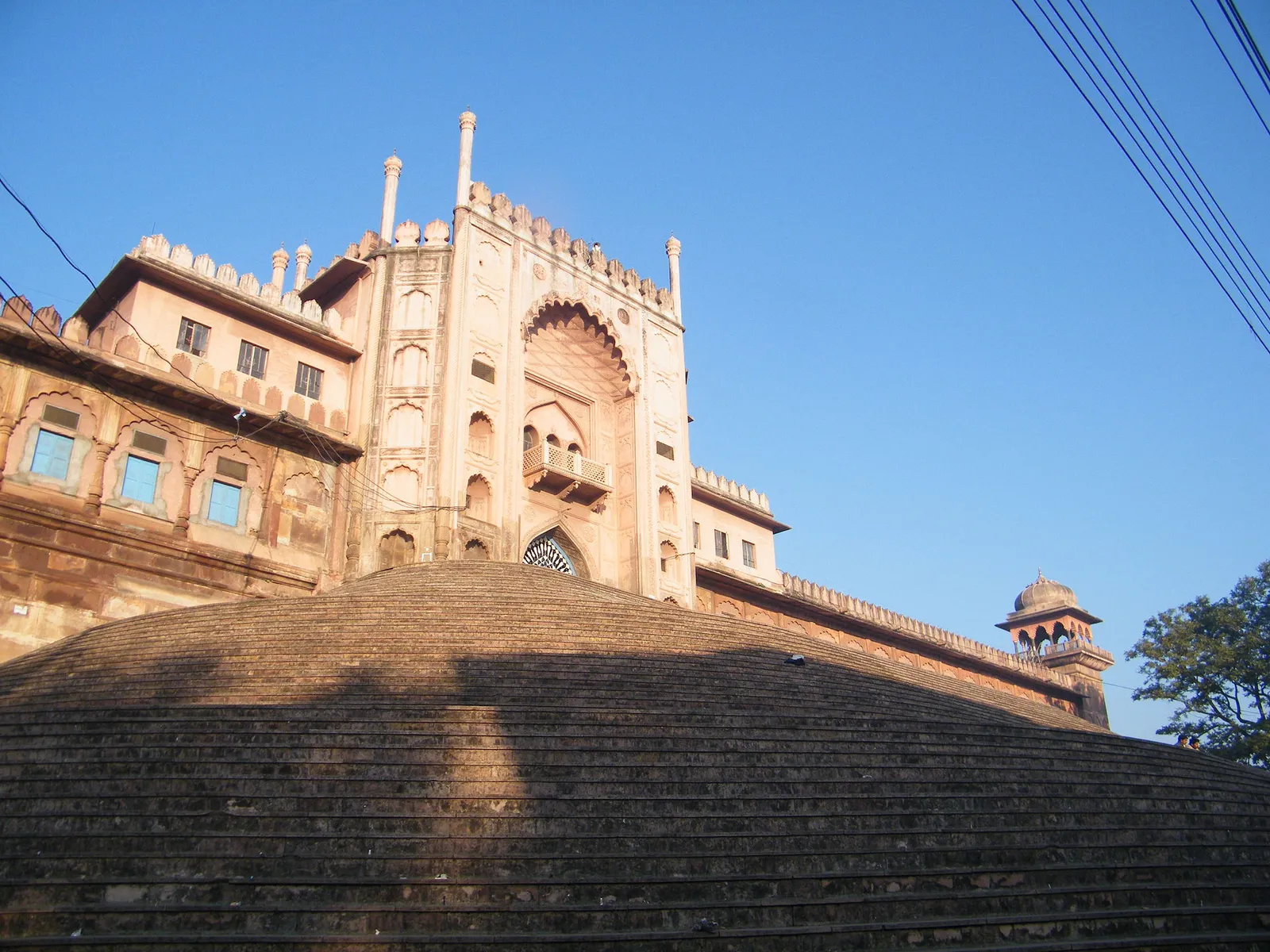
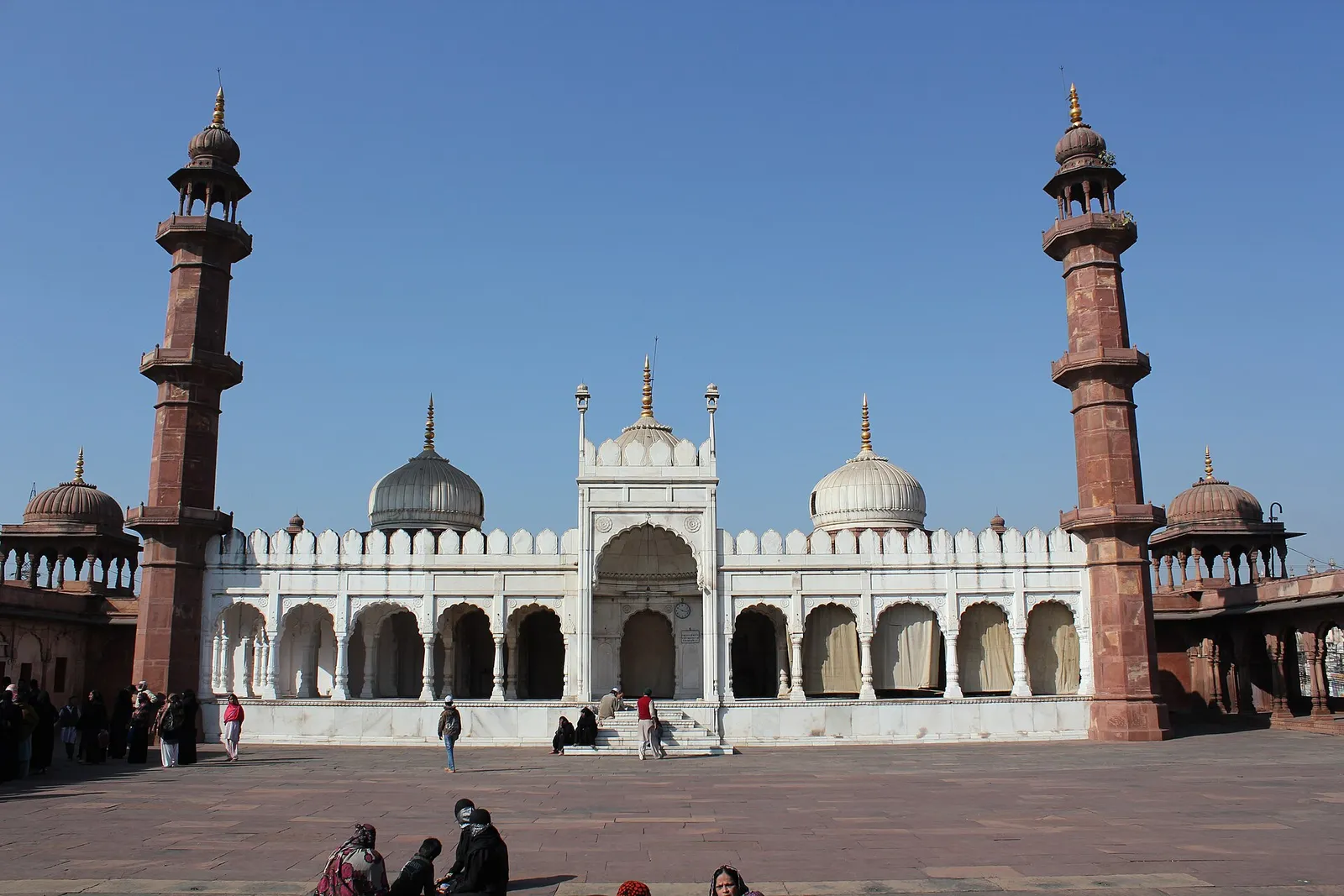
Islamnagar is an easy 25–30 minute drive north of Bhopal on the Berasia road, making it a simple half-day add-on. It pairs well with the old city’s Begum-era landmarks — Gohar Mahal, Taj-ul-Masajid and Moti Masjid — for a day spent tracing Bhopal from its very first capital to the grand city the Begums made.
History verified June 2026 against Wikipedia and Madhya Pradesh heritage listings. Timings at the site can be informal — confirm locally before a special trip.