The short answer: October to March. Days are pleasant, nights are cool, and thousands of migratory birds settle on the lakes. But the City of Lakes also keeps a secret — the monsoon, when the Upper Lake brims and every hill around the city turns green. This guide walks through the seasons: when to come, what you'll get, and which festivals are worth planning around. (Today's conditions and the full month-by-month climate table are live on the weather page.)
The quick answer — which season for whom
- First visit: November–February — everything at its best.
- Birds & photography: November–February (birds) or July–September (greenery and dramatic skies).
- Day trips (Sanchi, Bhimbetka, Raisen): October–March — open-air sightseeing weather.
- Culture: the last week of January — the Lokrang festival (26–30 January).
- Fewer crowds, lower prices: the monsoon — cheaper hotels, the greenest views of the year.
October–March — the best time
This is Bhopal's season. Days sit around 25–30°C, December–January nights dip to ~10–11°C — walking weather all day long. The Upper Lake, a Ramsar site, records over 250 bird species between November and February — go early, along the Van Vihar shore. It's also prime season for the full itinerary and every day trip.
July–September — the most underrated season
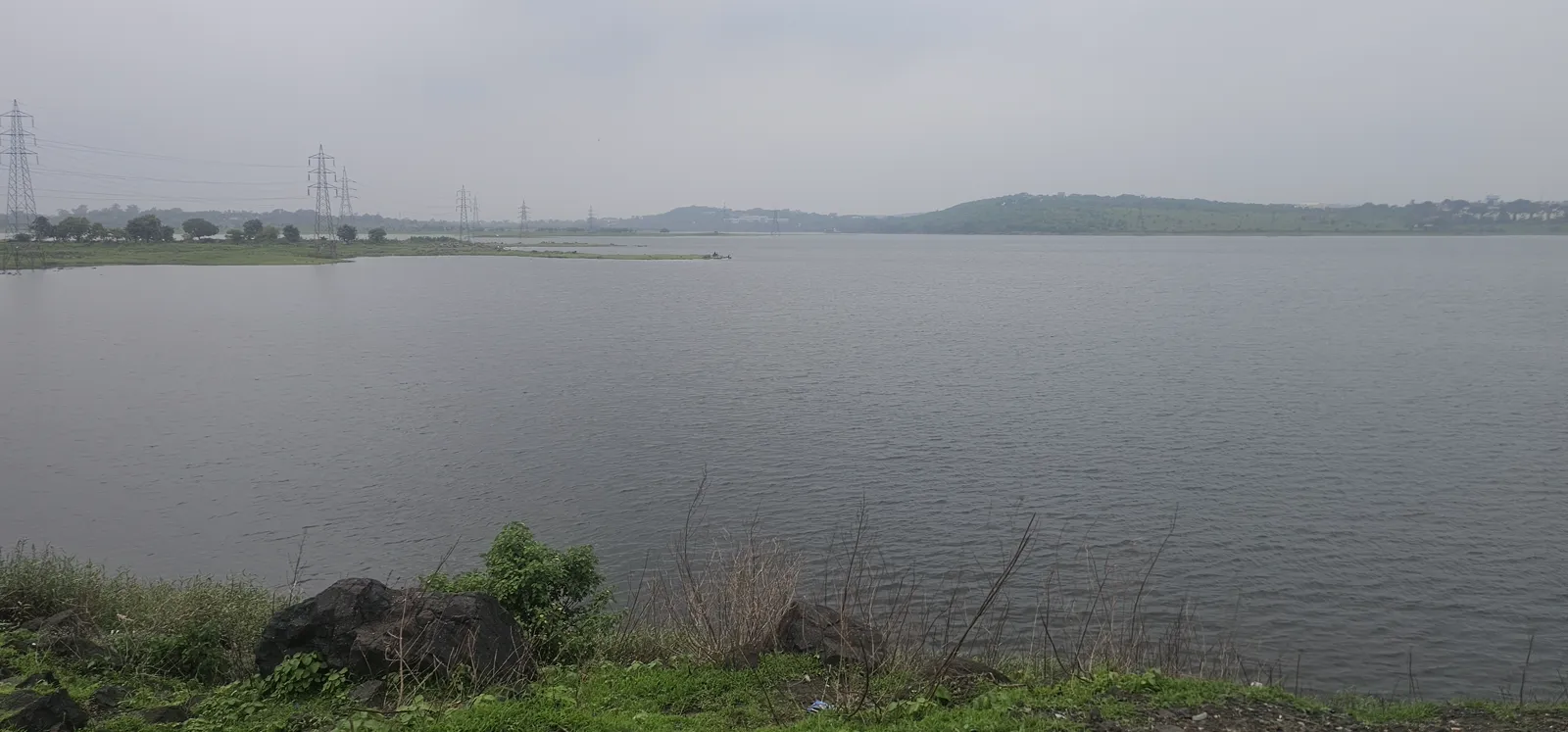
The City of Lakes only fully lives up to its name in the rain. The lakes fill, dam gates open, and the hills ringing the city turn a deep green. Our own monsoon evenings at Kaliasot Dam (this page's photo is from there) and Kerwa are the proof. Showers come and go, so keep plans flexible — check the live forecast on the monsoon page before heading out. The one caveat: heavy-rain days slow the day-trip roads.
April–June — how to make summer work
Afternoons hit 40–43°C, so invert the day: open-air places from 6–10 am (the lake, Van Vihar), air-conditioned museums through midday — the Tribal Museum and State Museum were made for this — and the lakeside in the evening. May is the peak of the heat; skip it if you're travelling with children.
Month by month, at a glance
- January: coolest and most cultural — Lokrang (26–30), birdlife at its peak.
- February: superb weather, thinner crowds — arguably the best-balanced month.
- March: days warm up; mornings still lovely.
- April–May: hot and dry; early mornings and evenings, museums at midday.
- June: the first rains usually arrive late in the month — relief, with humidity.
- July–August: full monsoon — brimming lakes, greenery, dramatic skies.
- September: rains taper, the green stays — a quiet, beautiful month.
- October: the weather opens up; festive season begins.
- November: birds return; the Ijtema usually falls around now (dates shift yearly).
- December: cold nights, clear sunny days — and holiday crowds.
Festivals worth planning around
Lokrang (26–30 January, Ravindra Bhawan): a five-day national festival of tribal and folk art — dance, music and a craft bazaar. Pair it with the Tribal Museum and you'll see Bhopal's tribal-art side whole. The Alami Tablighi Ijtema — one of the world's largest Muslim congregations — is usually held in November–December (dates follow the Islamic calendar); expect busy hotels and slow roads on the city's north side those days. Year-round, Gohar Mahal and Bharat Bhavan keep a steady run of exhibitions and events.