The story of Rani Kamlapati is one of Bhopal’s most important and least-told histories — and the palace on the Lower Lake is its only physical trace. Built around 1722 by Nizam Shah, a chieftain of the Gond kingdom, as a residence for his queen, this multi-storey lakefront palace is the sole surviving monument of the dynasty that governed this land before the city’s Nawabi identity was formed.
The queen who changed everything
Rani Kamlapati was not merely a historical footnote — she is, in a very real sense, the person whose actions produced modern Bhopal.
When Nizam Shah was poisoned by his own nephew, Alam Shah, Kamlapati was left a widowed queen with a murdered husband and an usurper on the throne. She chose not to accept it. She reached out to Dost Mohammad Khan, an Afghan mercenary commander who had settled in the region following the decline of Mughal power, and offered him a deal of remarkable audacity: one lakh rupees and a rakhi — the traditional thread of protection — in exchange for avenging her husband’s death.
Dost Mohammad accepted, killed Alam Shah, and honoured the sacred bond. But here is the twist that shaped Bhopal entirely: he never left. He had his legitimacy now, his soldiers, his foothold. Within a few years he had consolidated power across the region, and the Nawabi dynasty he founded would rule Bhopal for over two centuries — producing the famous Begums of Bhopal, who made the city one of the most progressive states in colonial India.
Kamlapati herself died in 1723. According to tradition, she walked into the lake that now carries her name. The palace remained. The city she had inadvertently remade went on without her.
The architecture
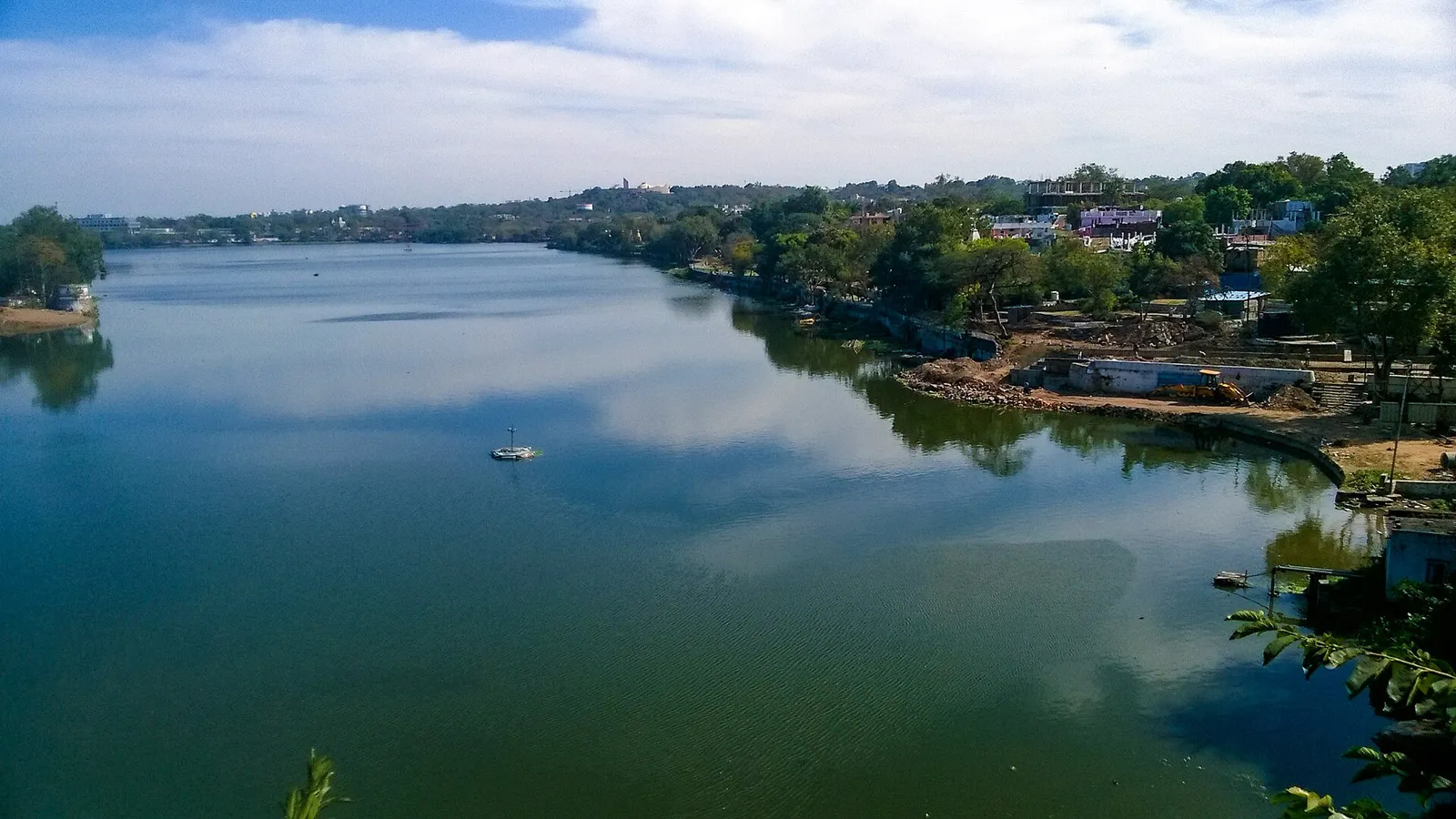
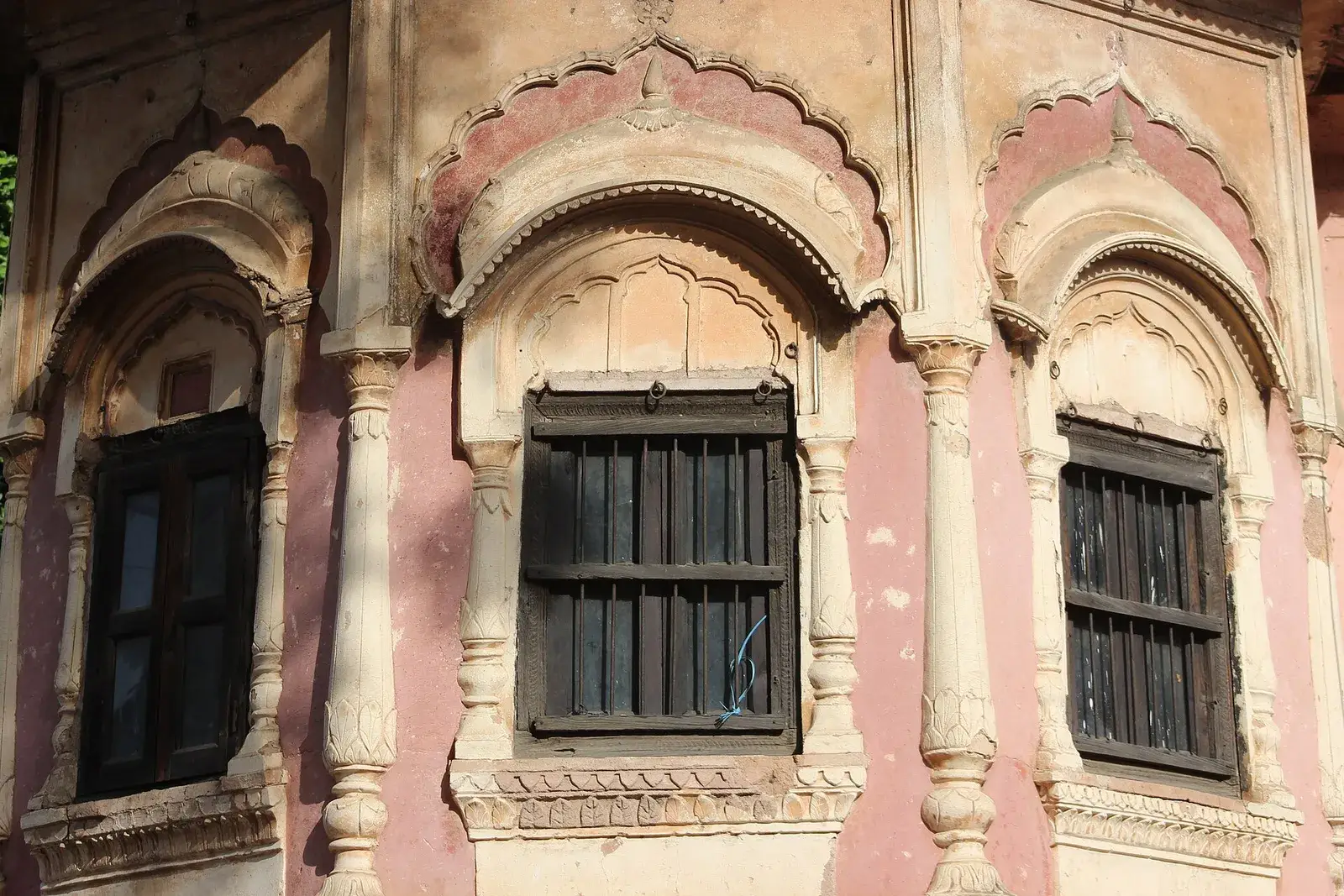
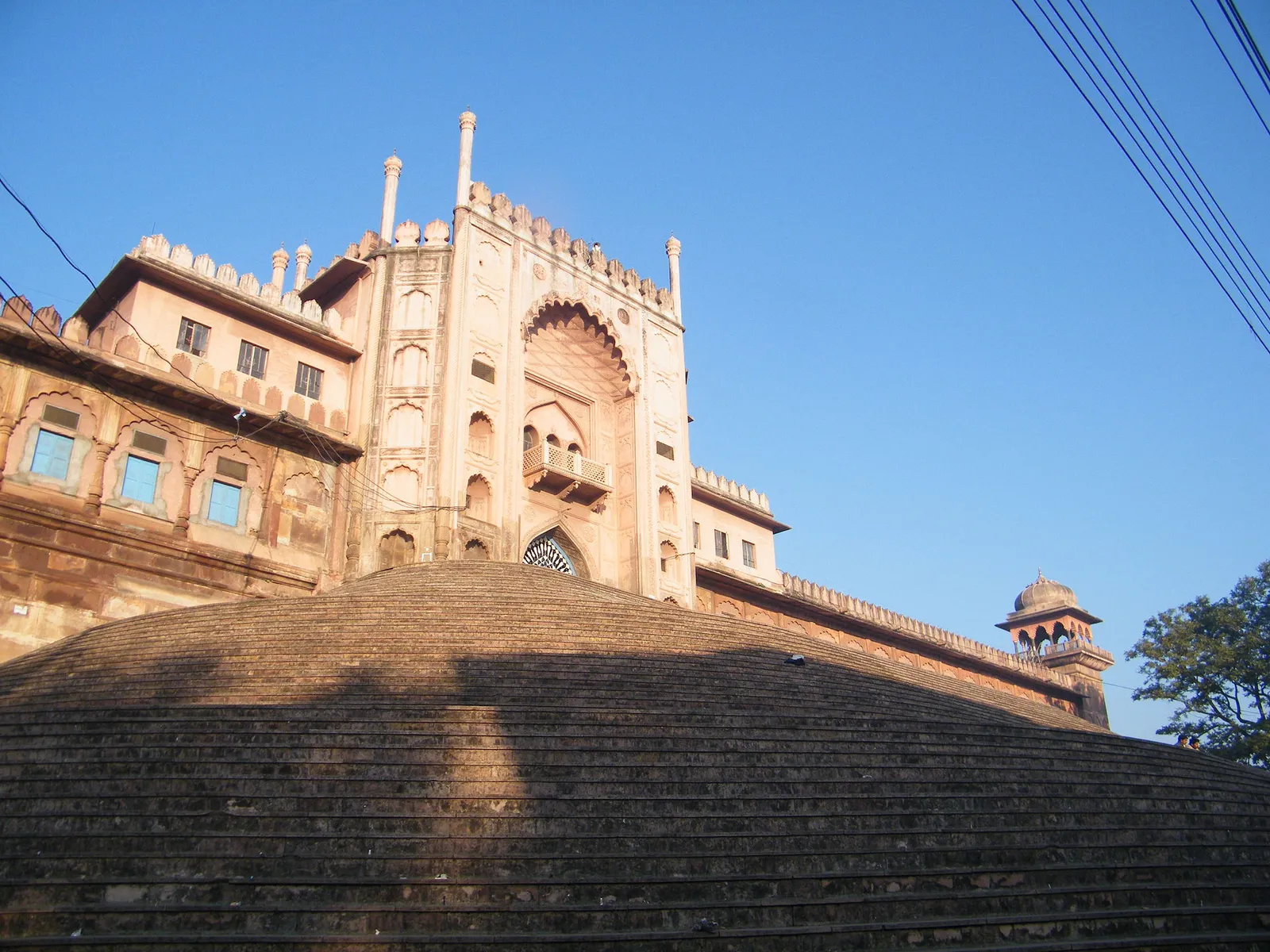
The palace is a handsome multi-storey structure set directly on the southern bank of Lower Lake (Chhota Talaab). Its architecture reflects the cultural mix of early 18th-century central India: Rajput chhatris (domed pavilions) crown the roofline, while arched openings and delicate plasterwork show a Mughal sensibility. From the water, the silhouette of those chhatris reflected in the lake is one of Bhopal’s most striking views — and one of its least-photographed.
The ASI carried out a careful restoration of the structure, stabilising the fabric while making the interior accessible. Inside, a small heritage museum tells the story of the Gond period and the early history of Bhopal. The collection is modest in scale, but the building itself is the real exhibit — move slowly through the rooms, look at the proportions of the arches, and imagine the court that once operated here.
Planning your visit
The palace sits near the Lower Lake causeway in the old city, an area that rewards a slow, unhurried walk. A natural half-day pairs the palace with the Lower Lake promenade and the nearby Gohar Mahal, a 19th-century Nawabi palace a short walk along the waterfront. Together they form a condensed portrait of two eras of Bhopal — the Gond world that was, and the Nawabi world that followed.
One small postscript: the Rani Kamlapati Railway Station — Bhopal’s largest and most modern rail terminus, renamed from Habibganj in 2021 — bears her name. It is a quiet acknowledgement that the woman who shaped the city’s destiny is still, three centuries later, part of how people move through it.
Verified July 2026 against Wikipedia, ASI records and Madhya Pradesh Tourism. Entry fees and timings at ASI sites are subject to revision — confirm at the ticket counter on the day.