Some races you run to win. Some you run just to become a runner again. An old ankle twist had kept me off the road for months, and a bigger 21K in Bhopal was waiting later in the year. So when the Pachmarhi Monsoon Marathon 2026 came up — a half marathon through the monsoon-green Satpuras, one easy overnight trip from Bhopal — I signed up. It turned out to be one of the best weekends I have given myself in a long time.
The short version: the Pachmarhi Monsoon Marathon (8th edition, 26 July 2026) is run from MPT Glen View in Pachmarhi — over 1,600 runners, four distances from 5K to a full 42.2K. I drove up from Bhopal on Saturday carrying, as a favour to the organiser, five heavy packets of finisher medals in my boot — one of which came back home around my neck. Saturday evening was pure Pachmarhi: Champak Lake (the Boat Club lake) brimming with monsoon water, a zip-line overhead, speed boats below, horses grazing on the meadow. The 21.1K itself starts misty and uphill and honest — the first kilometres test you, then the jungle course gives it all back. Total trip: ~447 km driven, 21.1 km run, about 29 hours door to door.
A promise to an ankle
Last year I twisted my ankle badly enough to stop running for a long stretch. The comeback is the hard part — motivation leaks away faster than fitness does. My fix was simple: put a real race on the calendar. The Bhopal 21K I actually care about comes later in the year; the Pachmarhi Monsoon Marathon became my stepping stone — a reason to train now, in the wettest, greenest month, in the prettiest corner of Madhya Pradesh.
Five packets, 1,600 medals
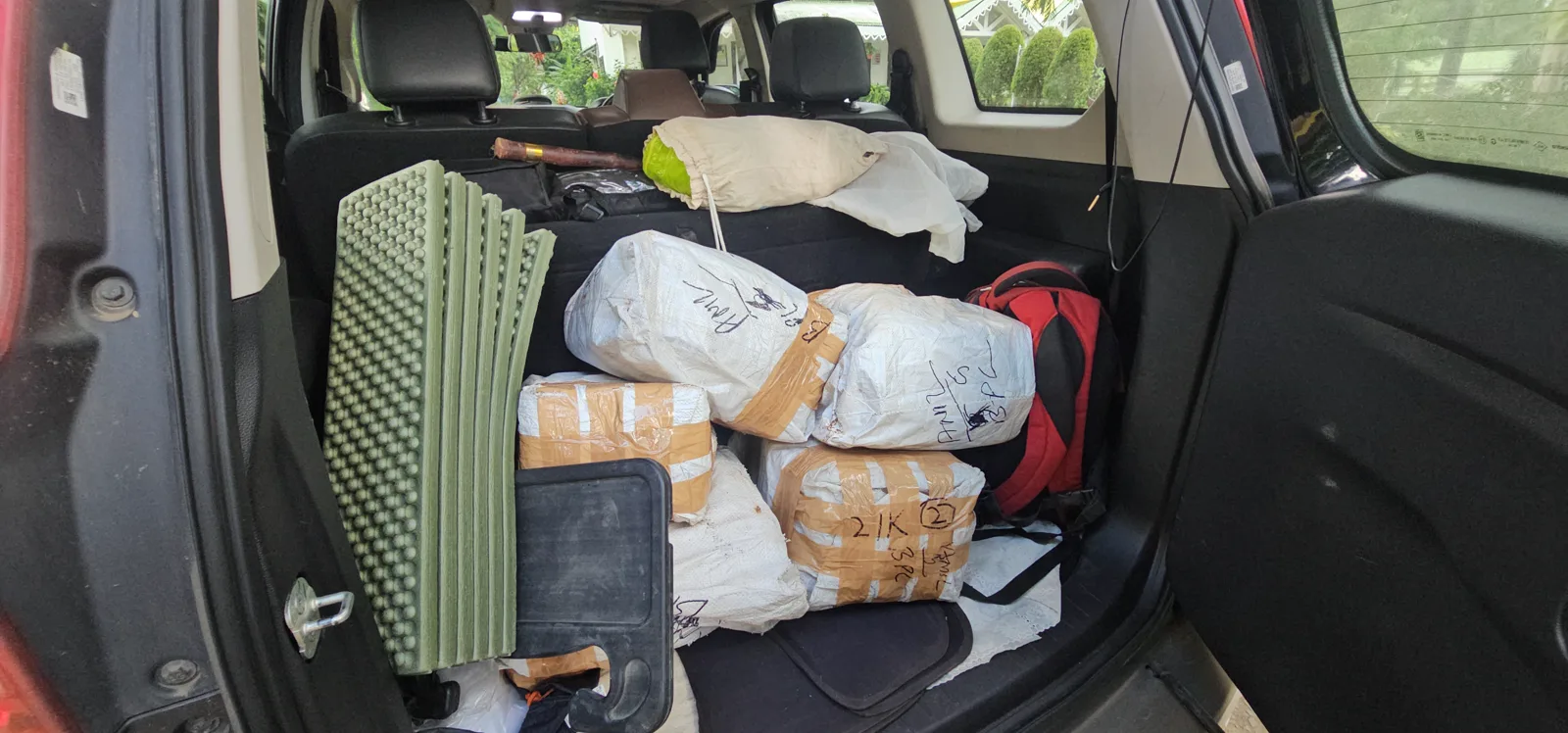
The race group on WhatsApp — run by Mitesh Sir, the man behind the event — is where the weekend took its first turn. I had posted offering a lift, since I was driving up alone. Instead I got a request: the finisher medals for the whole race had landed in Bhopal, near the railway station, and needed to reach Pachmarhi that evening. Could I bring them?
That is how I found myself in Saturday-morning old-city traffic, loading five large, seriously heavy packets into the boot — the medals for every single finisher of the next day’s race. I had left home at 10:30 hoping to be in the hills by 2:30; with the pickup and the jams it was past noon by the time Bhopal let me go. Worth it.

Bhopal to Pachmarhi, the monsoon way
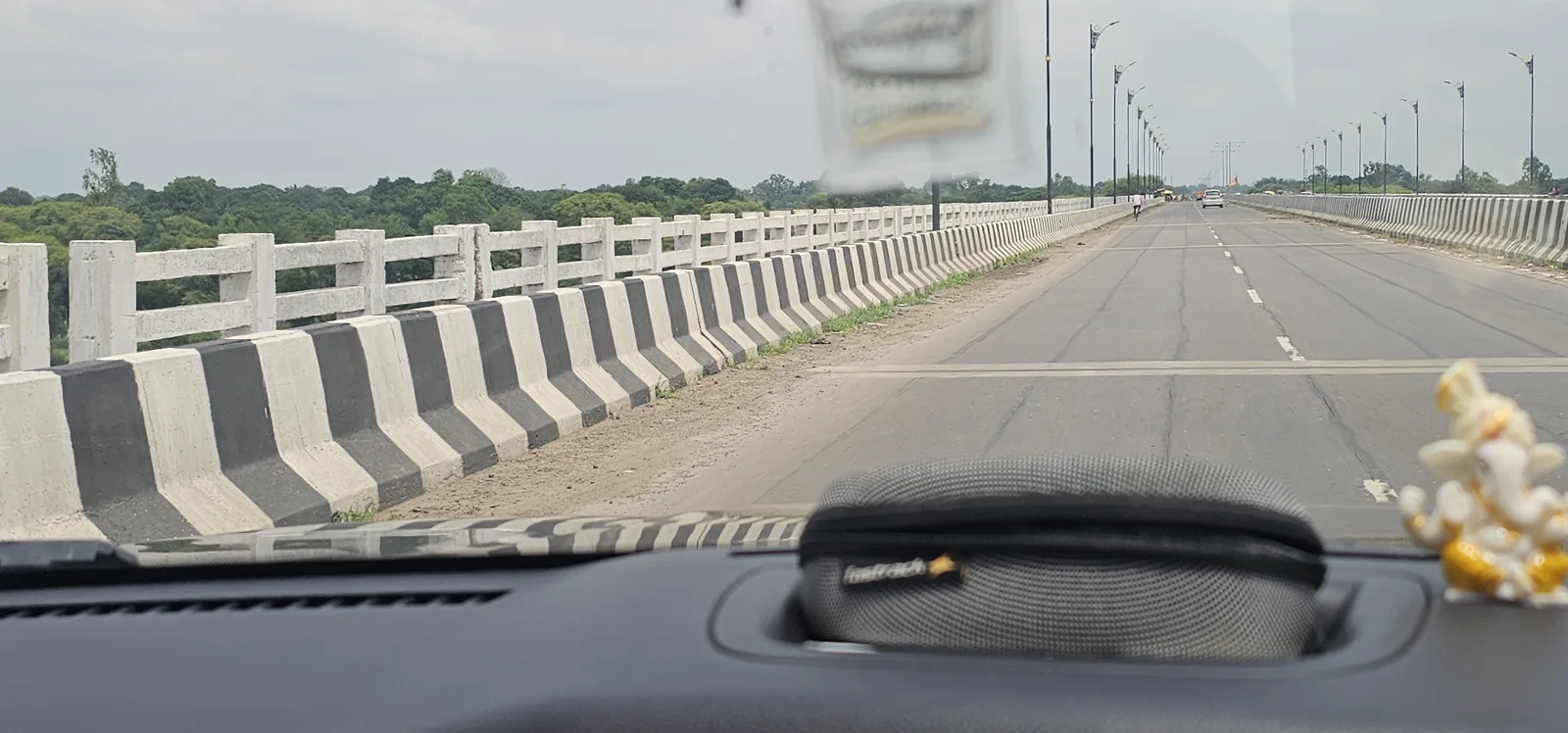
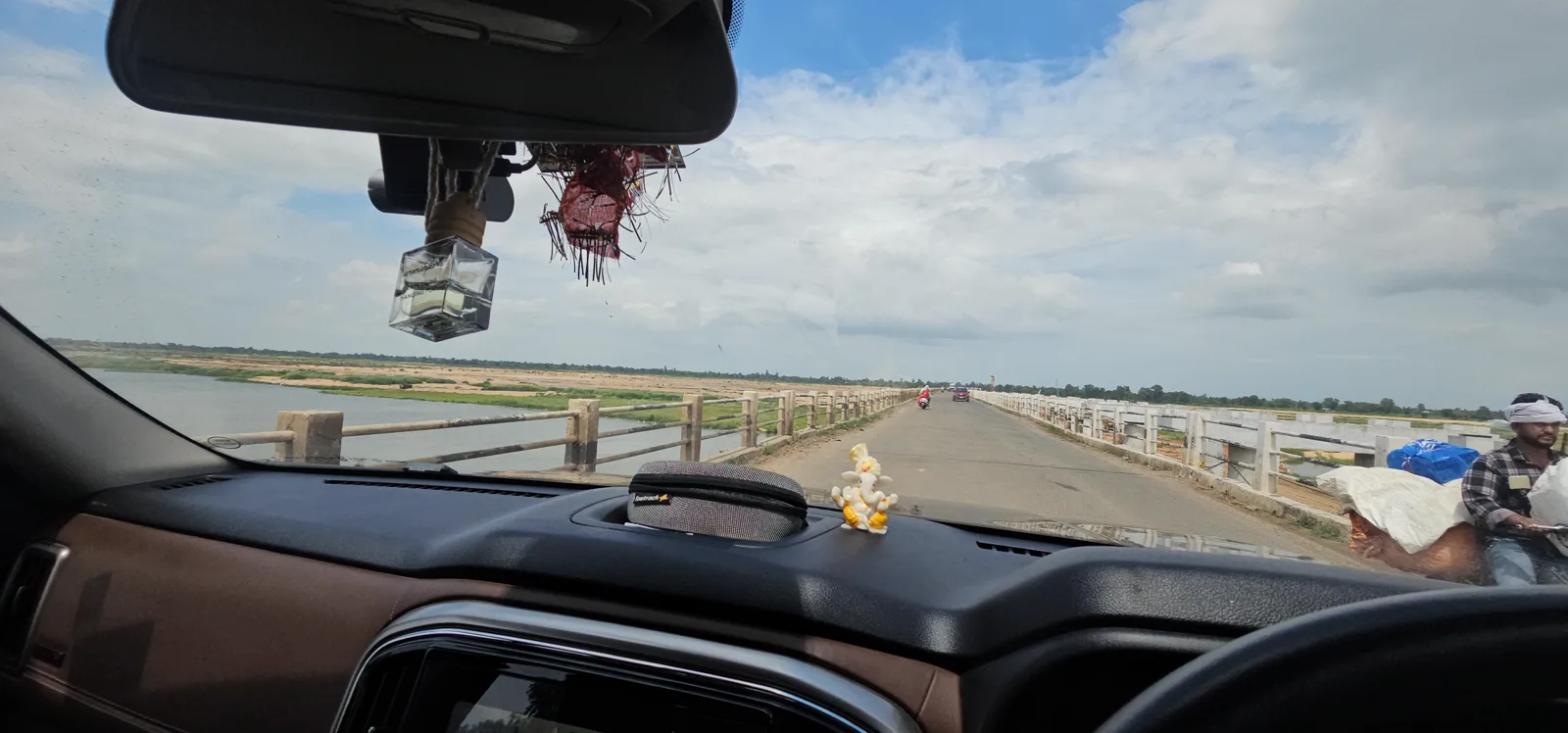
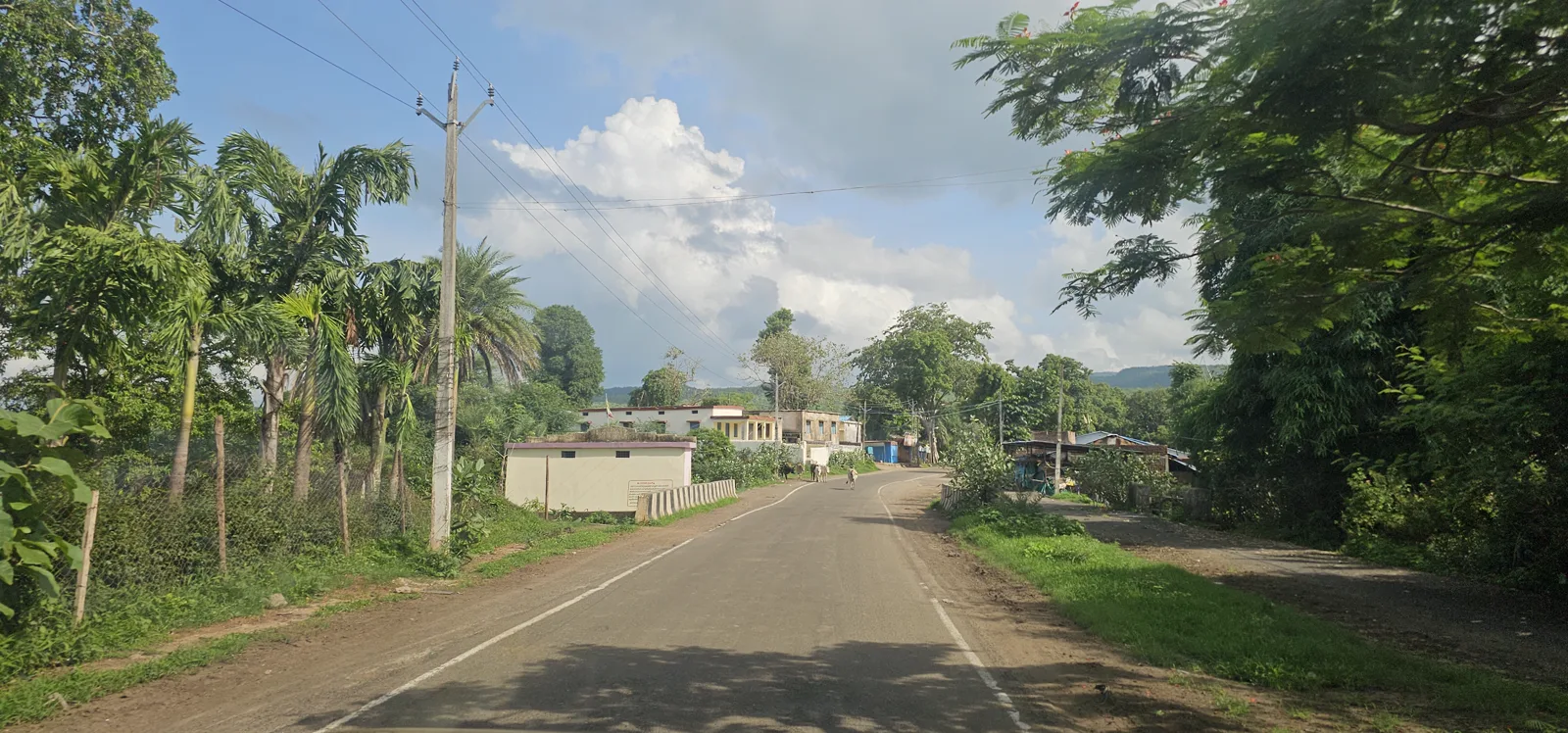
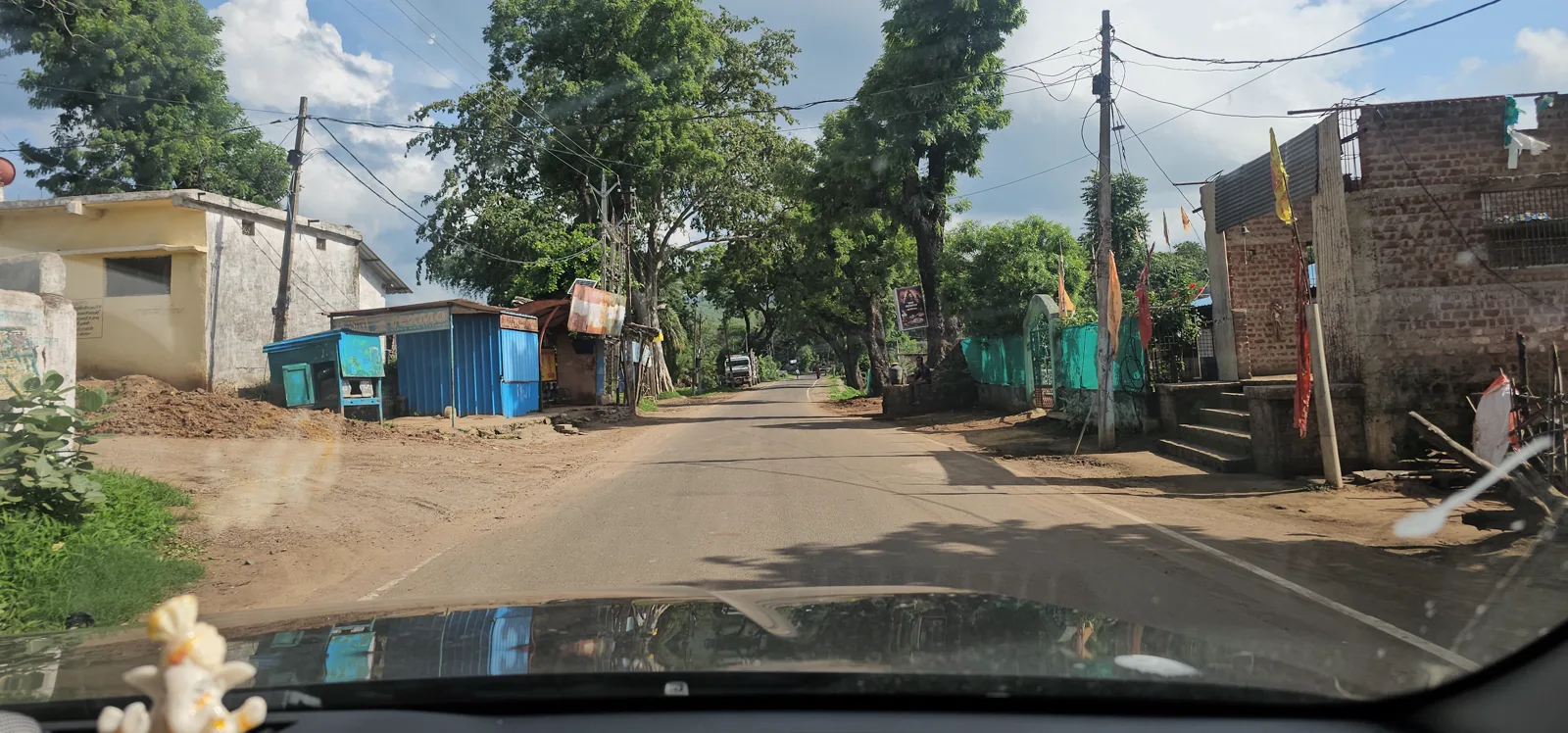
The Bhopal–Pachmarhi road in late July is a running slideshow of everything the monsoon does well. The highway dips south through Obaidullaganj and crosses the Narmada, then the long bridge over the Tawa backwaters — water to both horizons — before the road starts winding up through Satpura forest after Matkuli, a green tunnel with clouds sitting low on the hills.
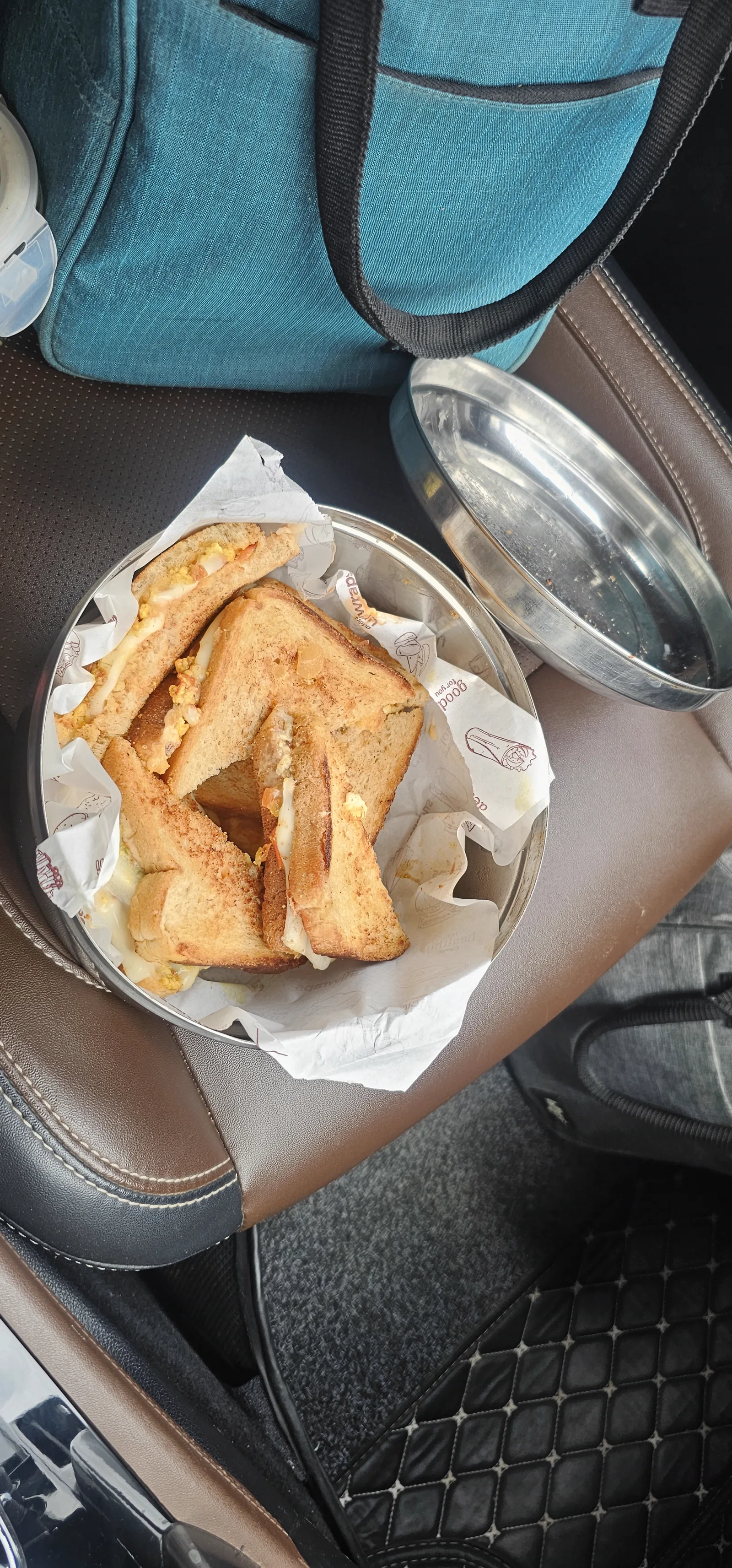
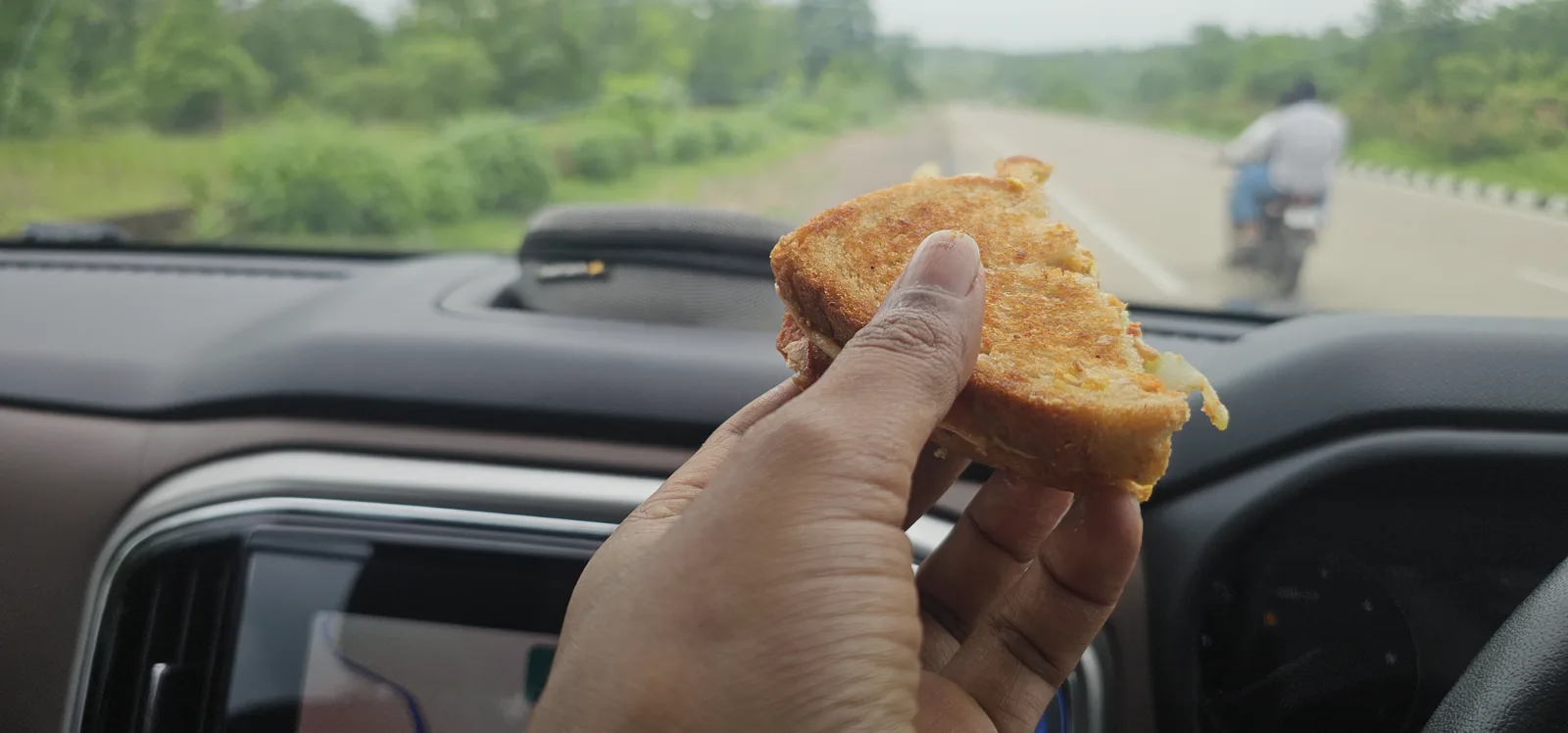
Lunch rode with me: sandwiches, lemon rice and tomato chutney that my wife and kid had packed that morning, making sure I ate properly before the race — lunch on the road and dinner for the night, all from home. On a race weekend I trust my own kitchen over highway dhabas, and the sandwiches honestly tasted better with that view.

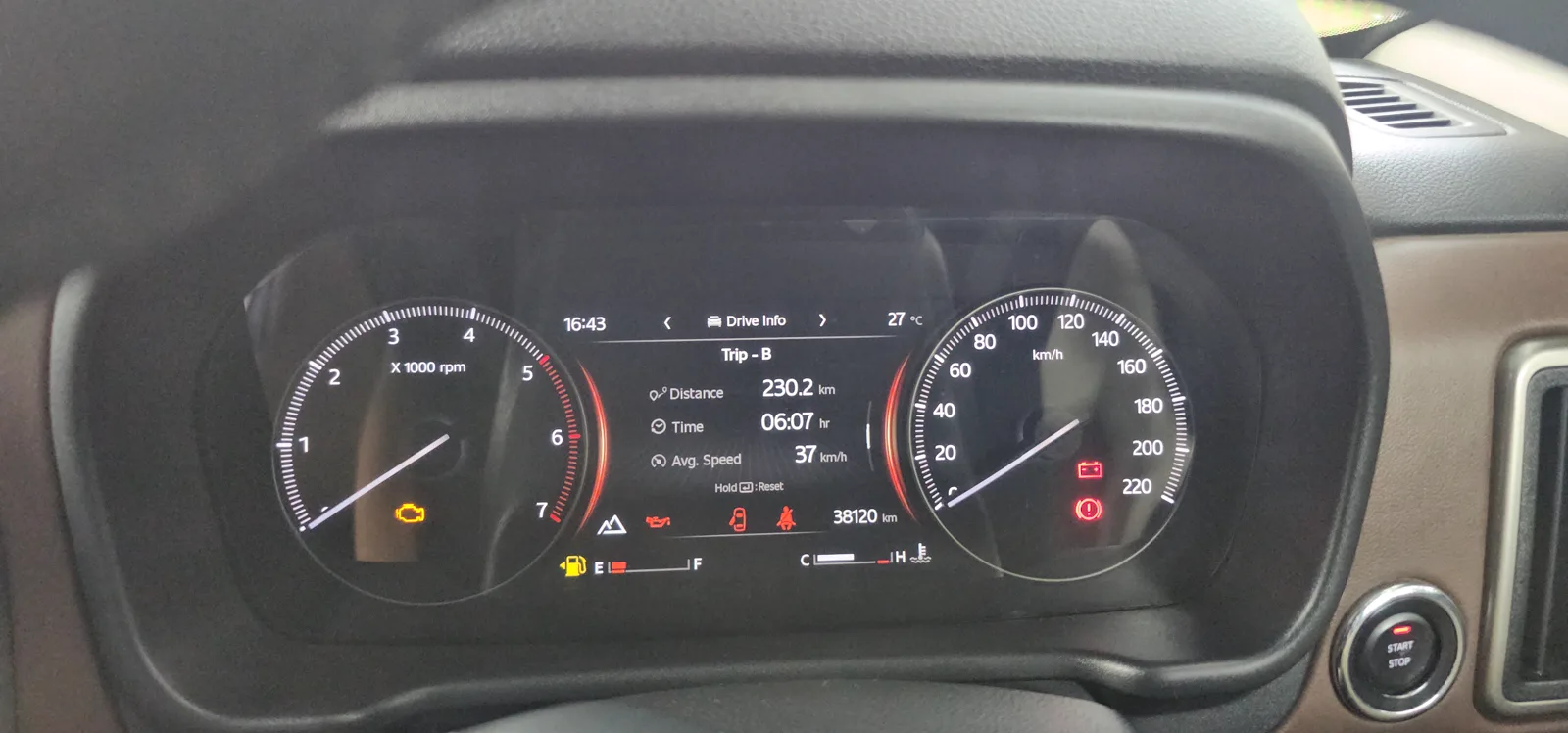
The car kept its own diary. By the time I rolled into Pachmarhi around 4 pm, the trip computer read 230-odd kilometres; the full Saturday log — medal pickup, jams, photo stops and an evening of pottering about included — closed at 239.1 km with an eco score of 92.

Glen View: medals out, bib in
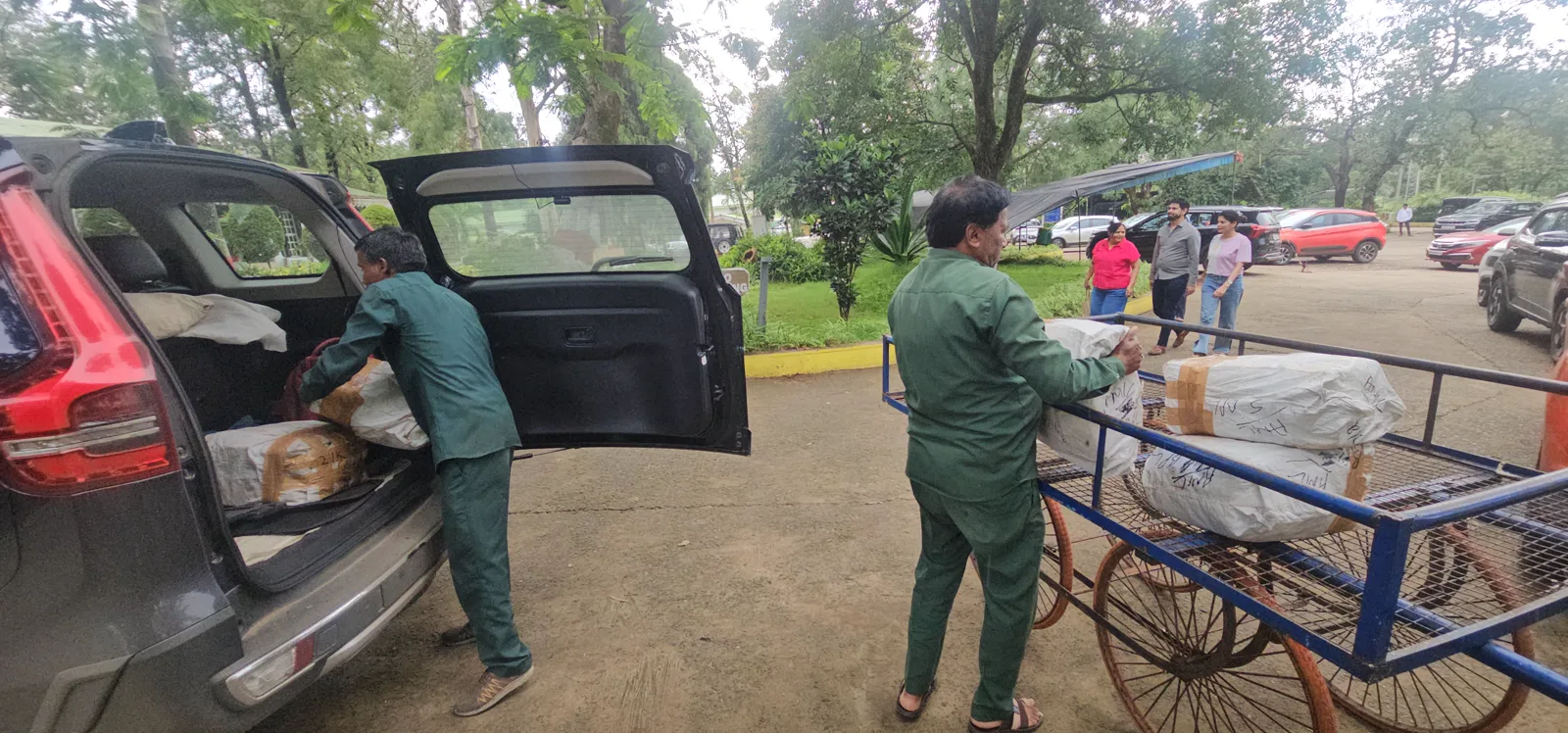
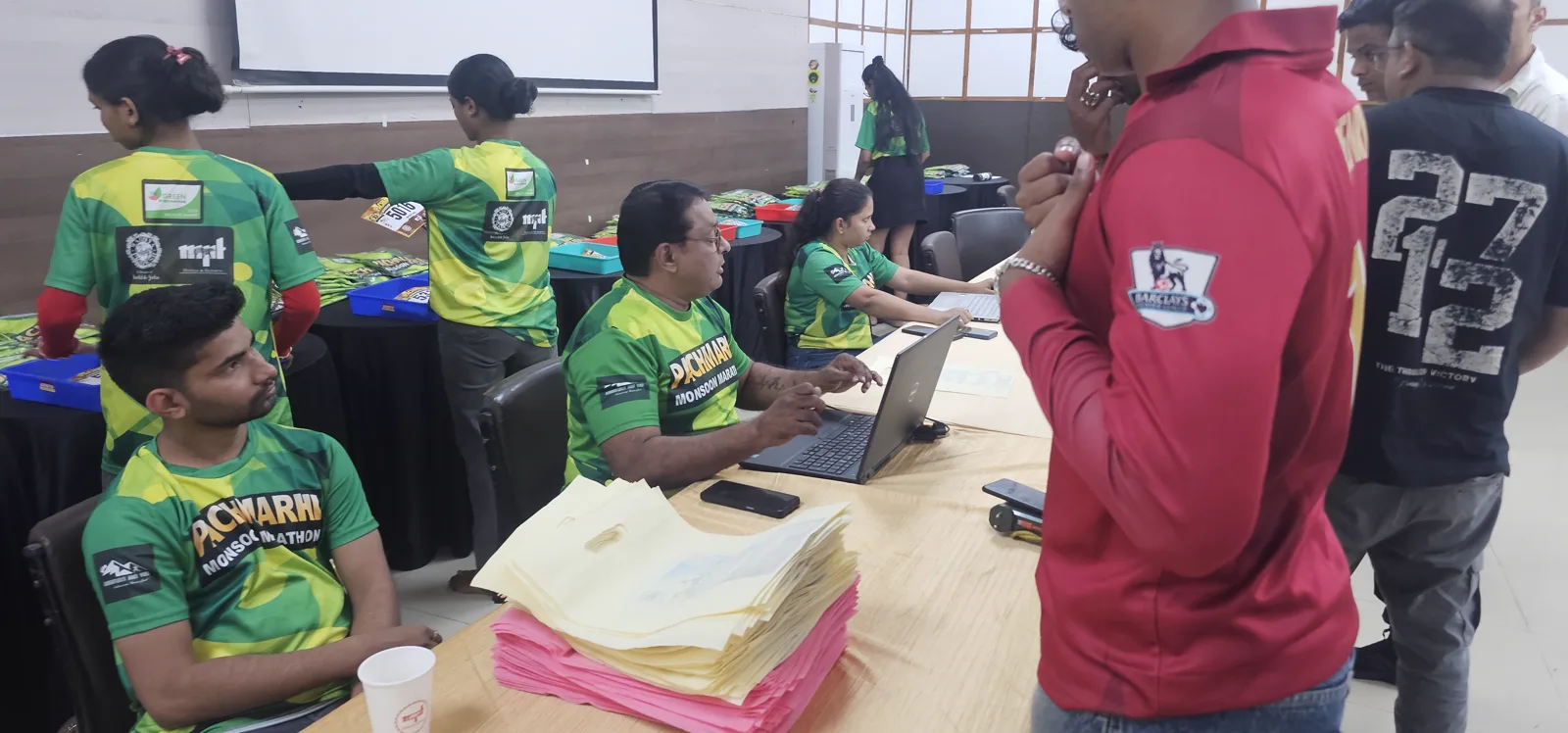
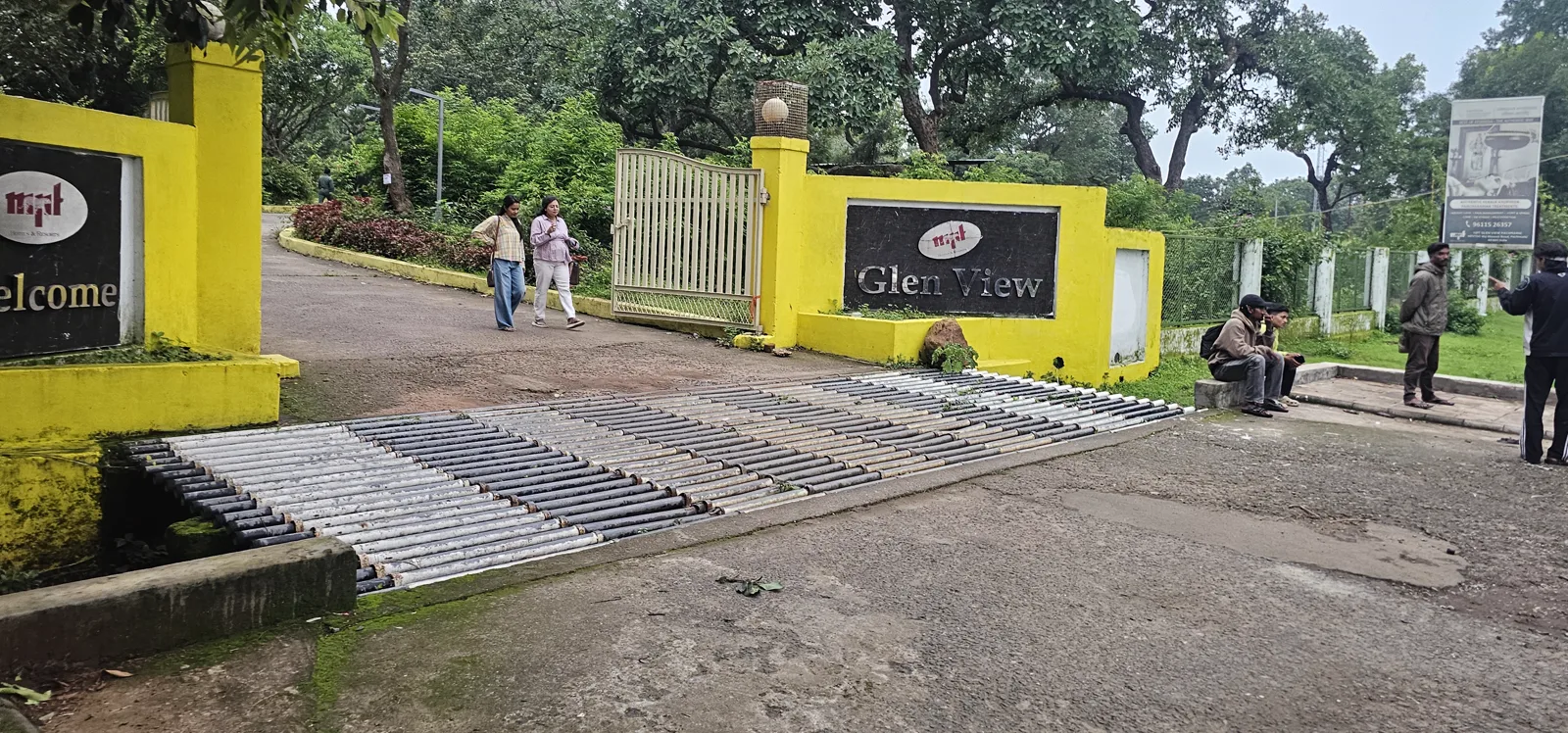
First stop in town: MPT Glen View, the colonial-era MP Tourism hotel that doubles as the race’s headquarters and start point. The five packets went from my boot onto a waiting hand-cart — the staff clearly relieved the next day’s medals had arrived — and I walked into the expo hall to collect my own bib and T-shirt.
One small comedy: the tee was a size too short. I ran in my own. Veteran-runner tip that never fails — never race in anything you didn’t train in, including free T-shirts.

Champak Lake, zip-lines and grazing horses
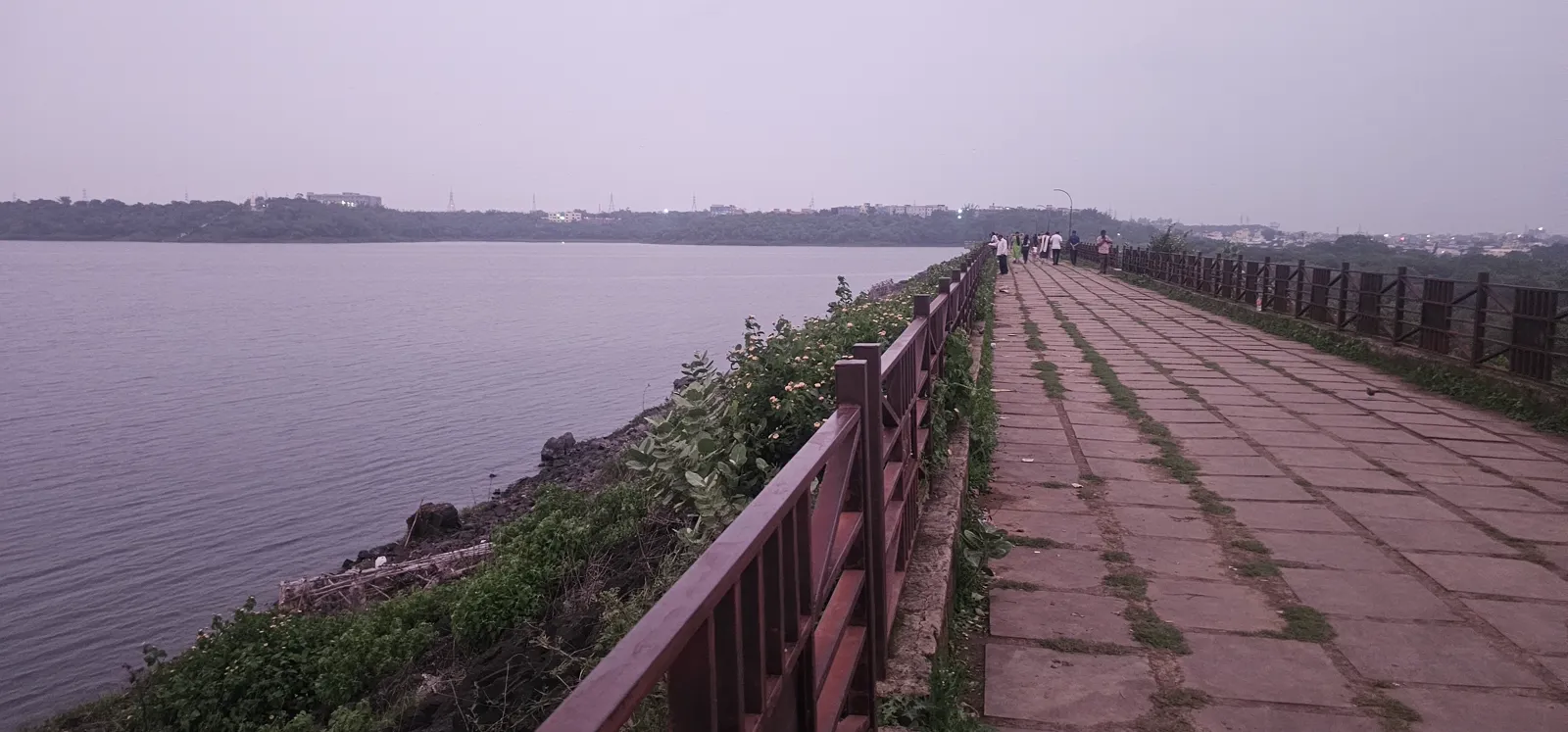
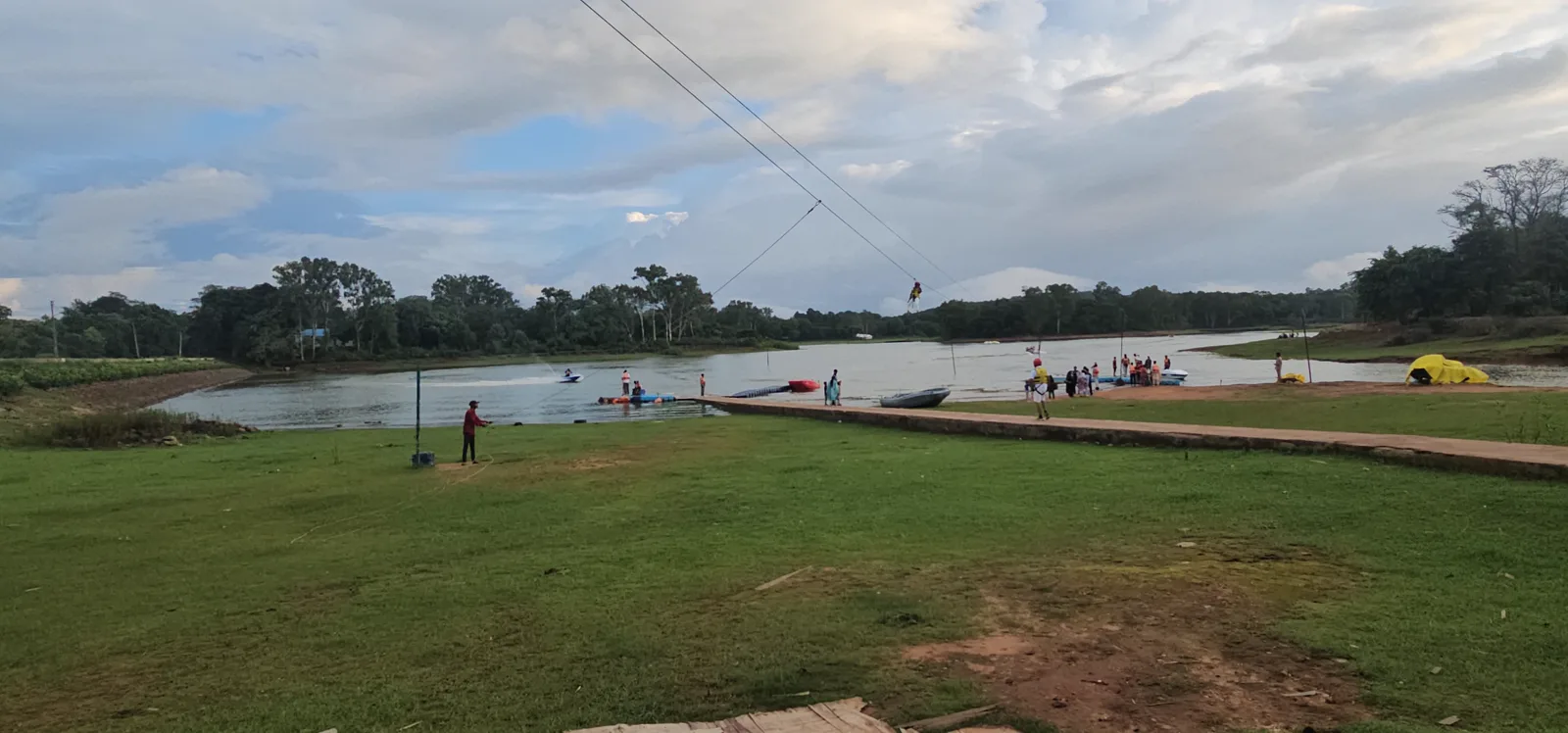
With the delivery done and check-in sorted, I had a free Pachmarhi evening — and in the monsoon that is a gift. I took the car out past the old Bison Lodge to Champak Lake, the Boat Club lake. In summer this lake shrinks and sulks; I have seen it nearly dry. In the rains it fills to the brim and comes alive — speed boats carving the water, paddle boats bobbing near the jetty, and a zip-line humming overhead, riders sliding right across the lake with the whole Satpura sky behind them.
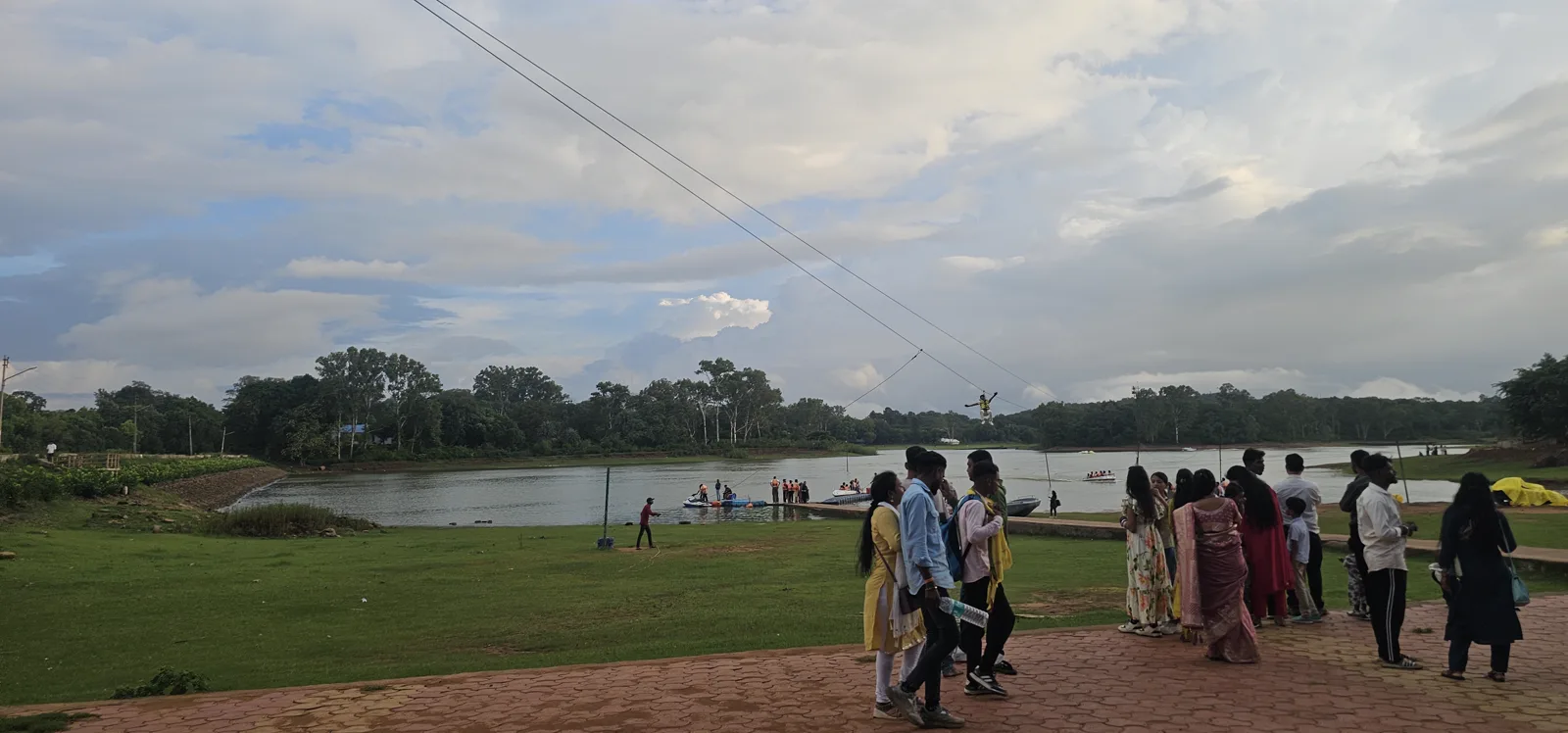
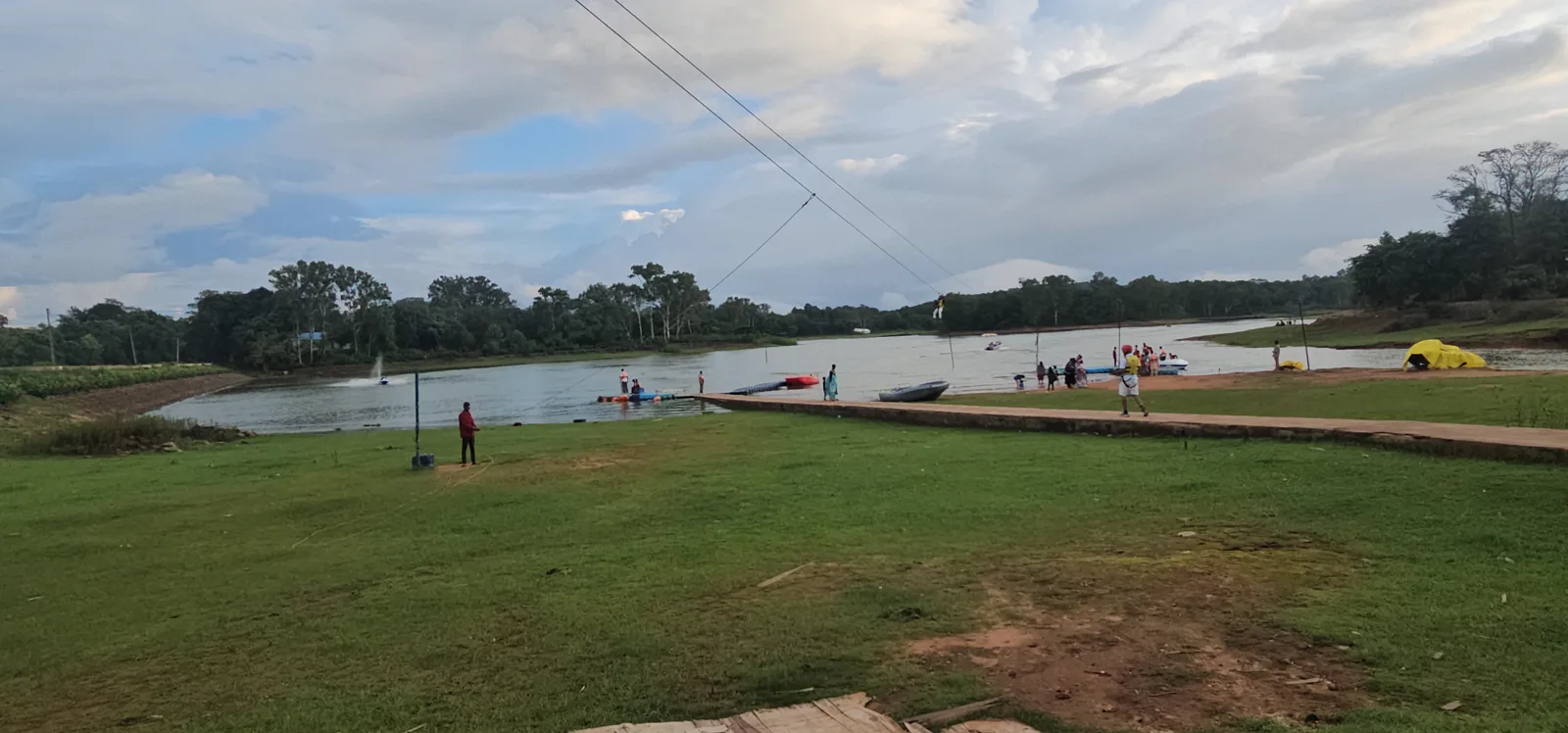

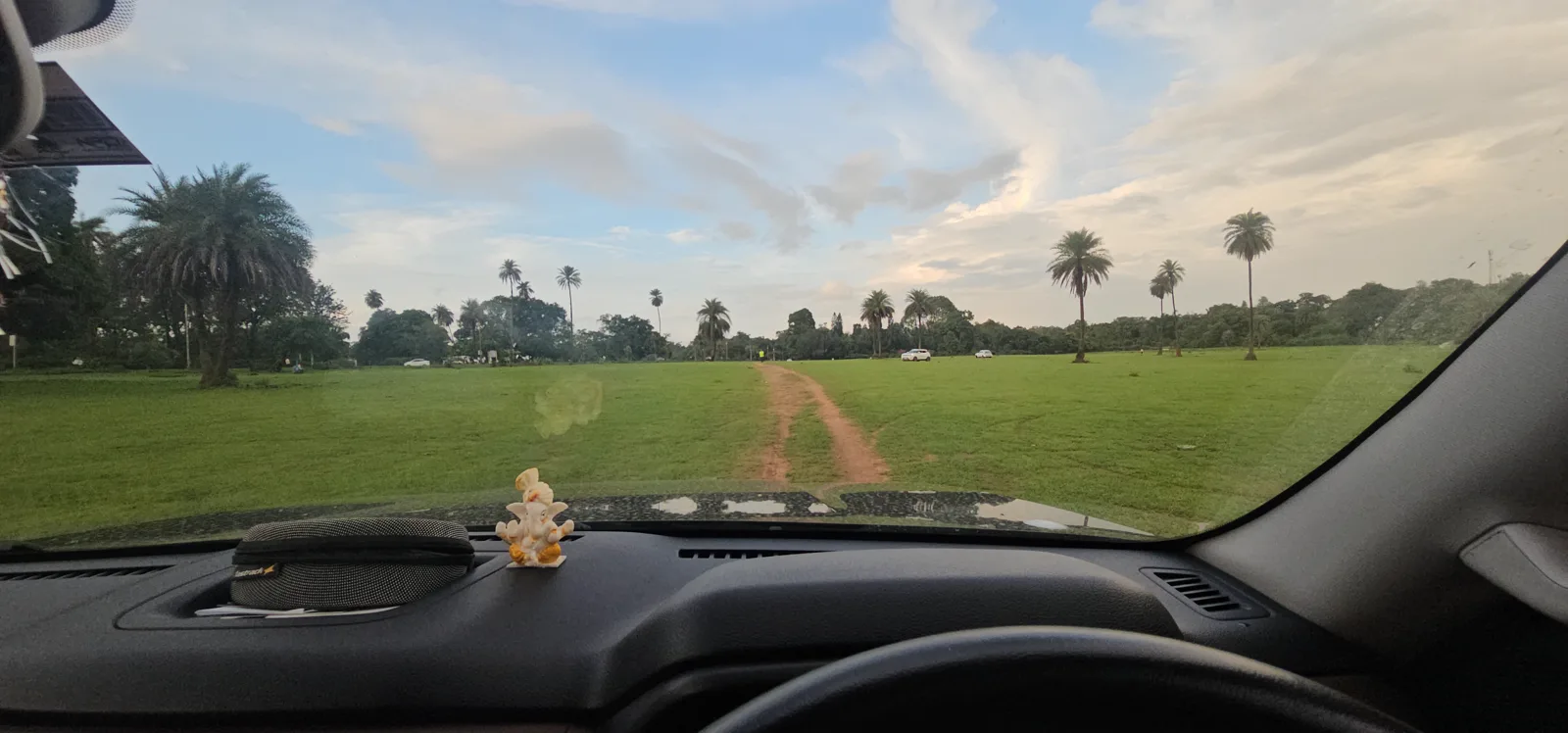
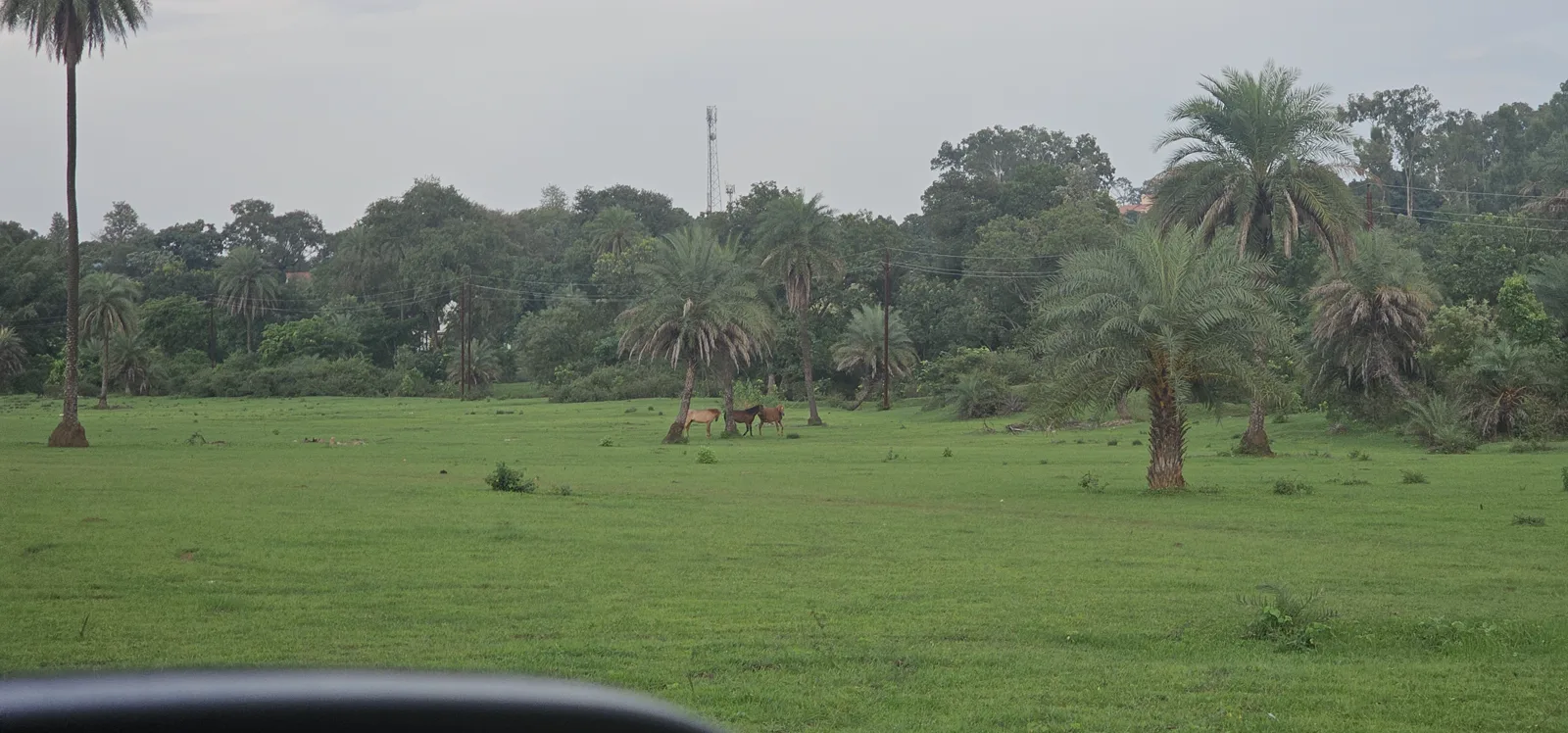
Right in front of the lake’s big open ground I parked and just sat for a while: a wide green meadow, date palms, and horses grazing loose in the last light. It looked less like a parking halt and more like a screensaver.

Fuel, oil, and a wander through the market
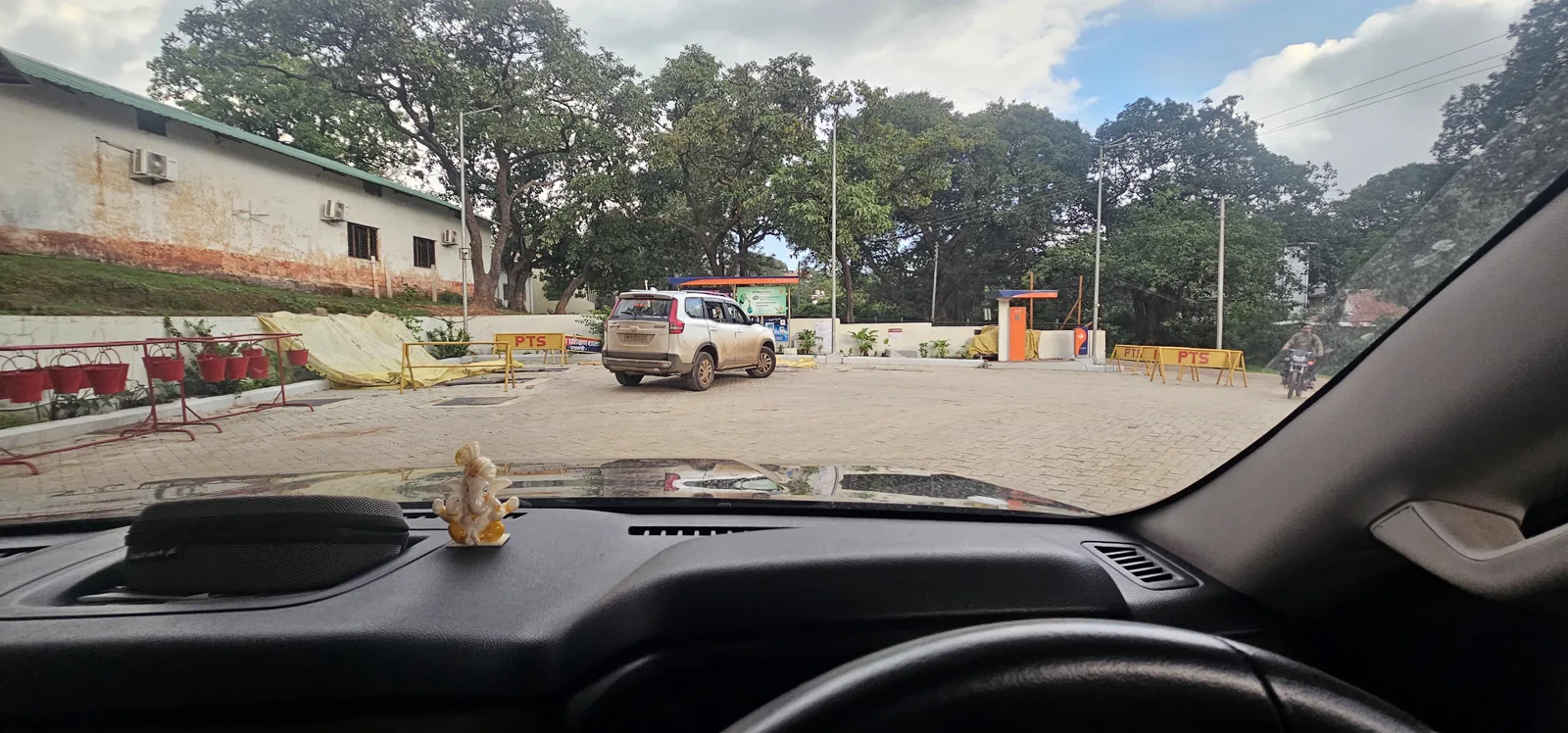
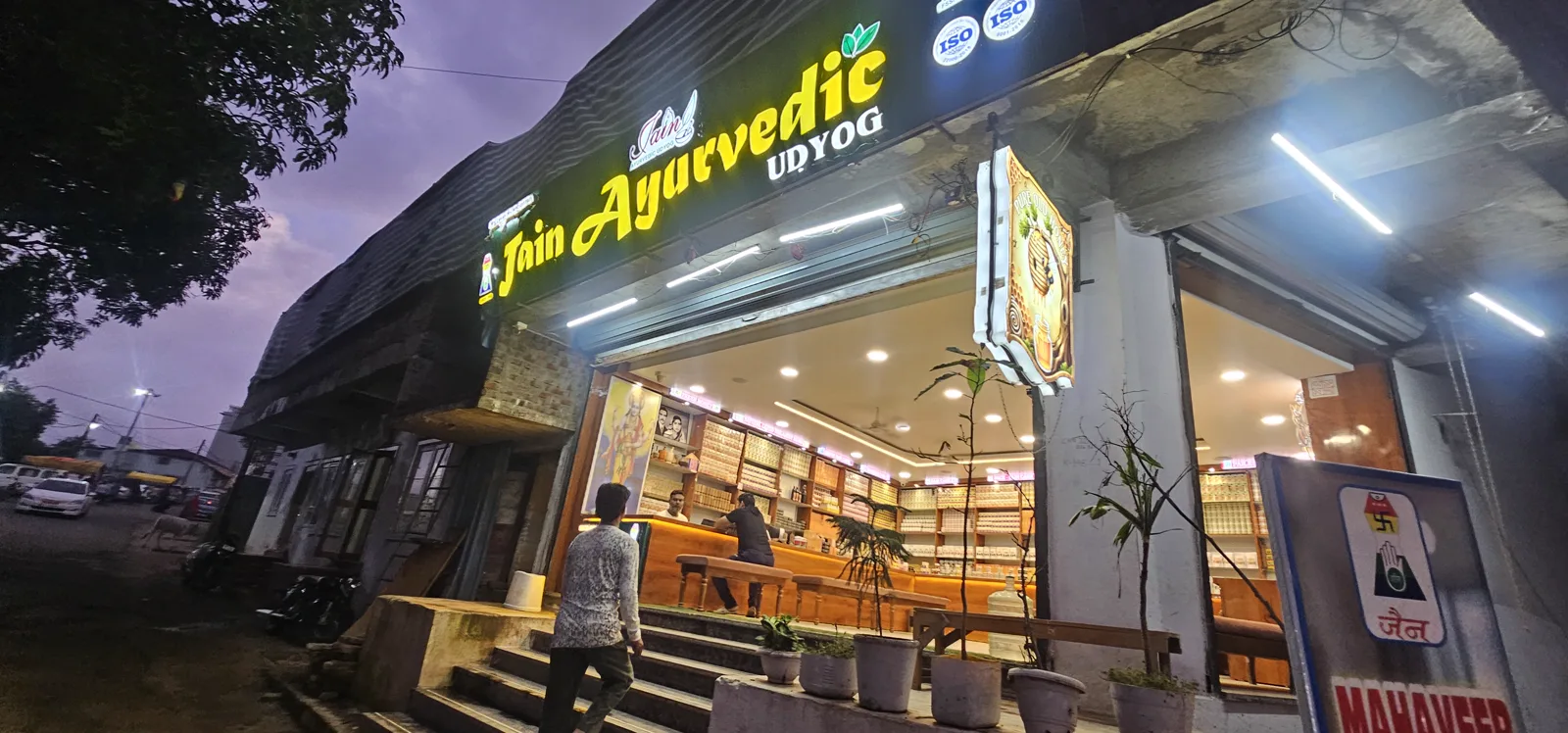
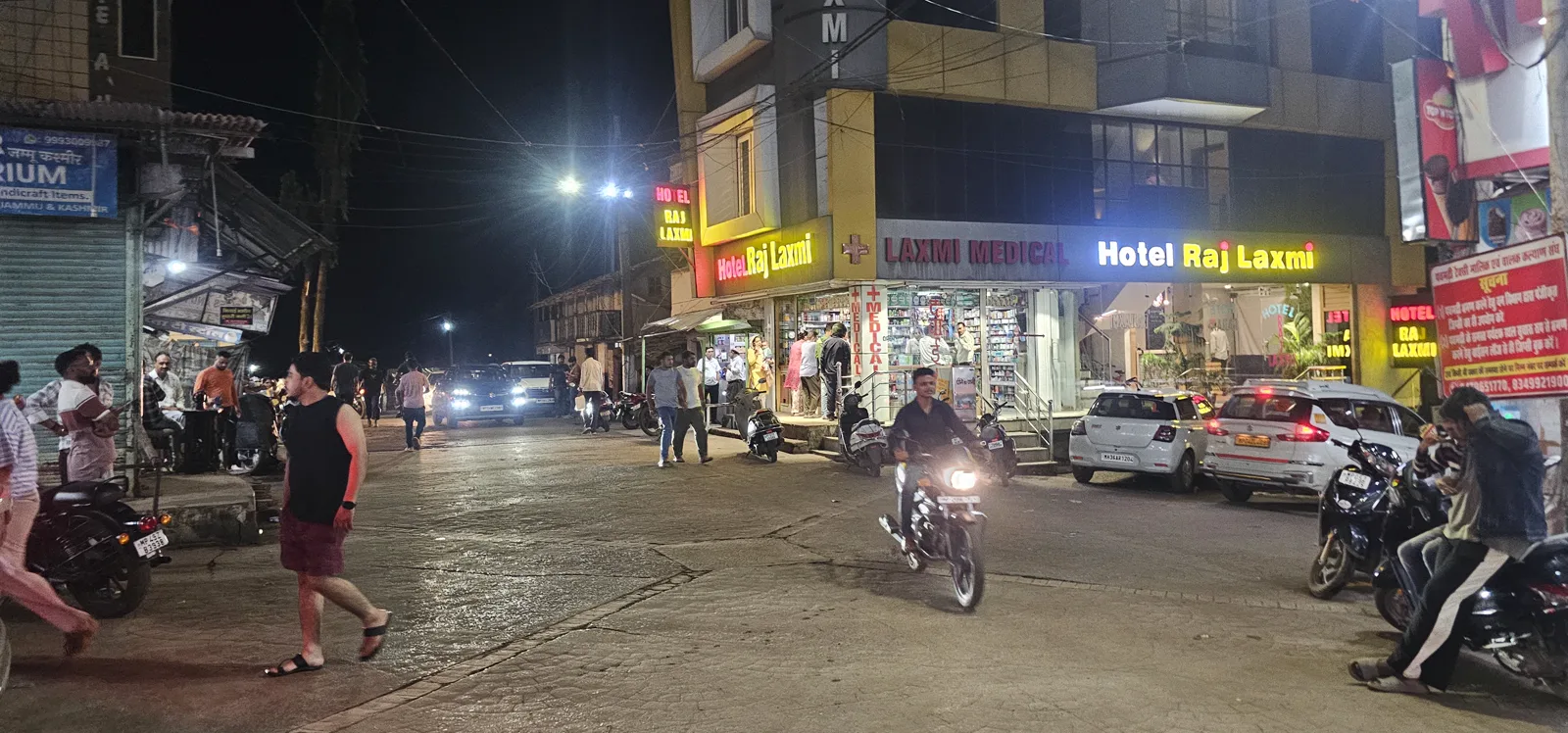
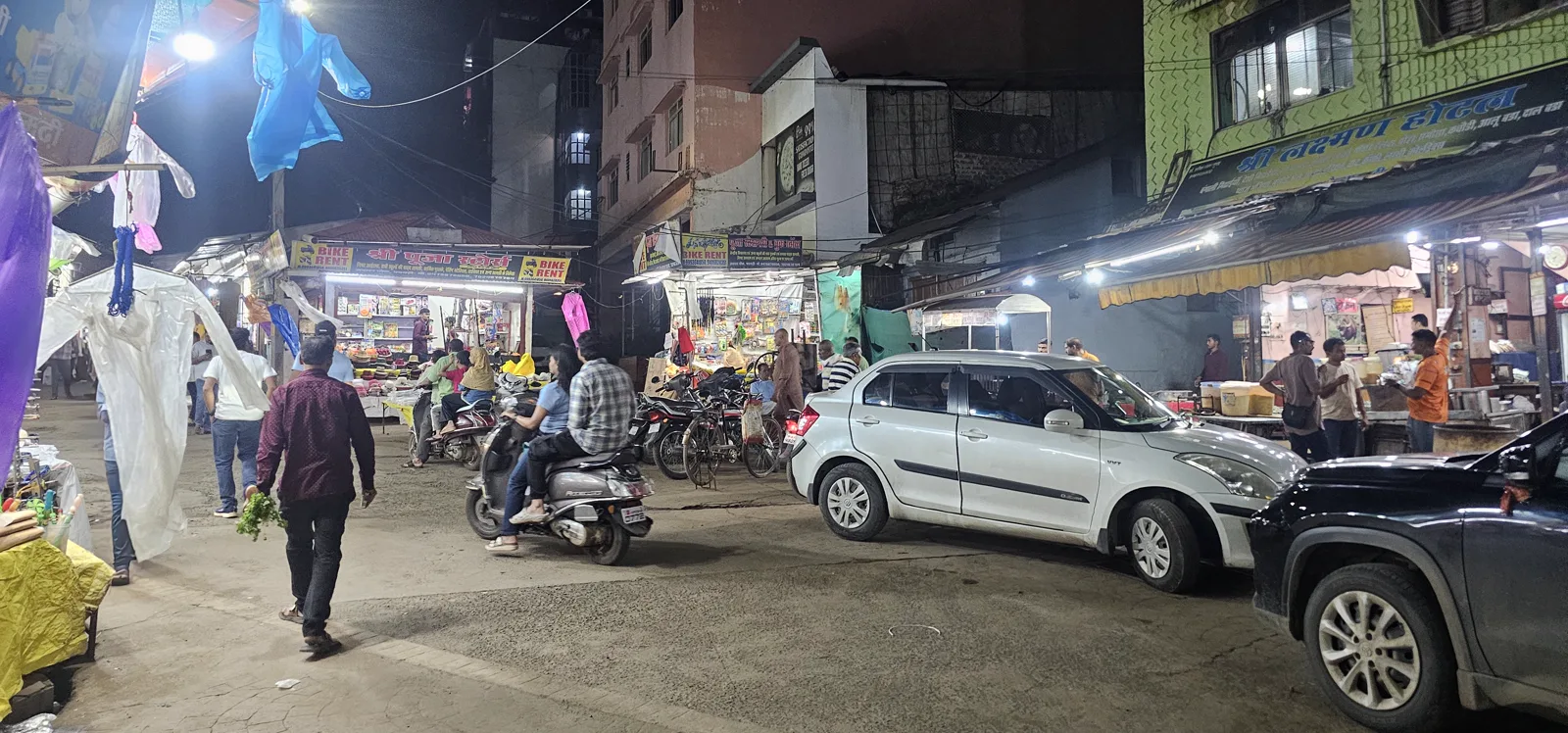
The rest of the evening was errands — the pleasant kind. I topped up the tank at the little pump on the edge of town, tucked under old trees with red planters strung along its wall; fuel was ₹100.49 a litre up here in the hills. Then I walked the Pachmarhi market. At Jain Ayurvedic Udyog — a herbal-and-honey shop in the main bazaar, its counter walled with jars — I picked up two bottles of ayurvedic oil for my mother, the kind of small thing you carry home from a hill town. From the market stalls I grabbed the race-eve basics too: a Good Knight mosquito card, a face wash and a shampoo.

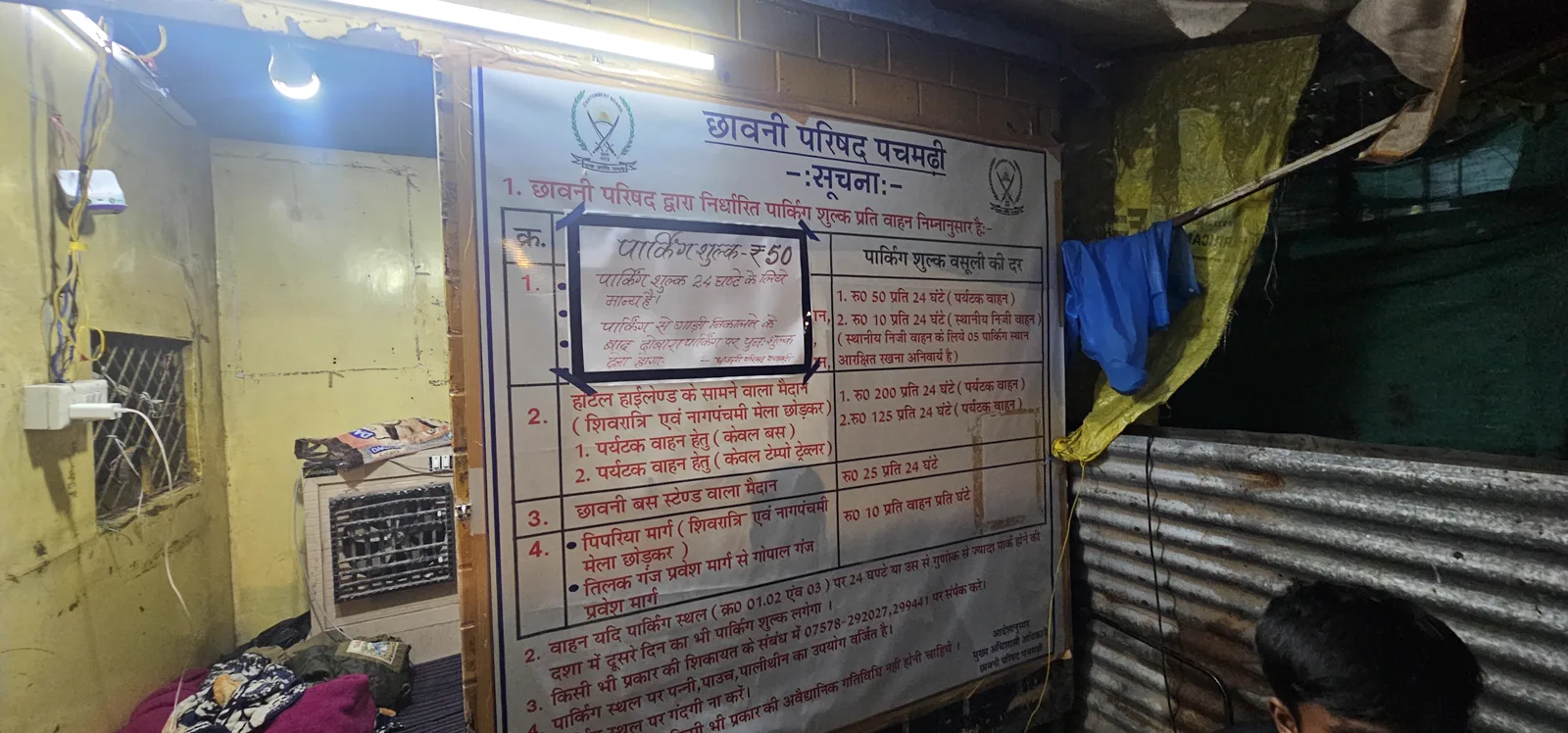
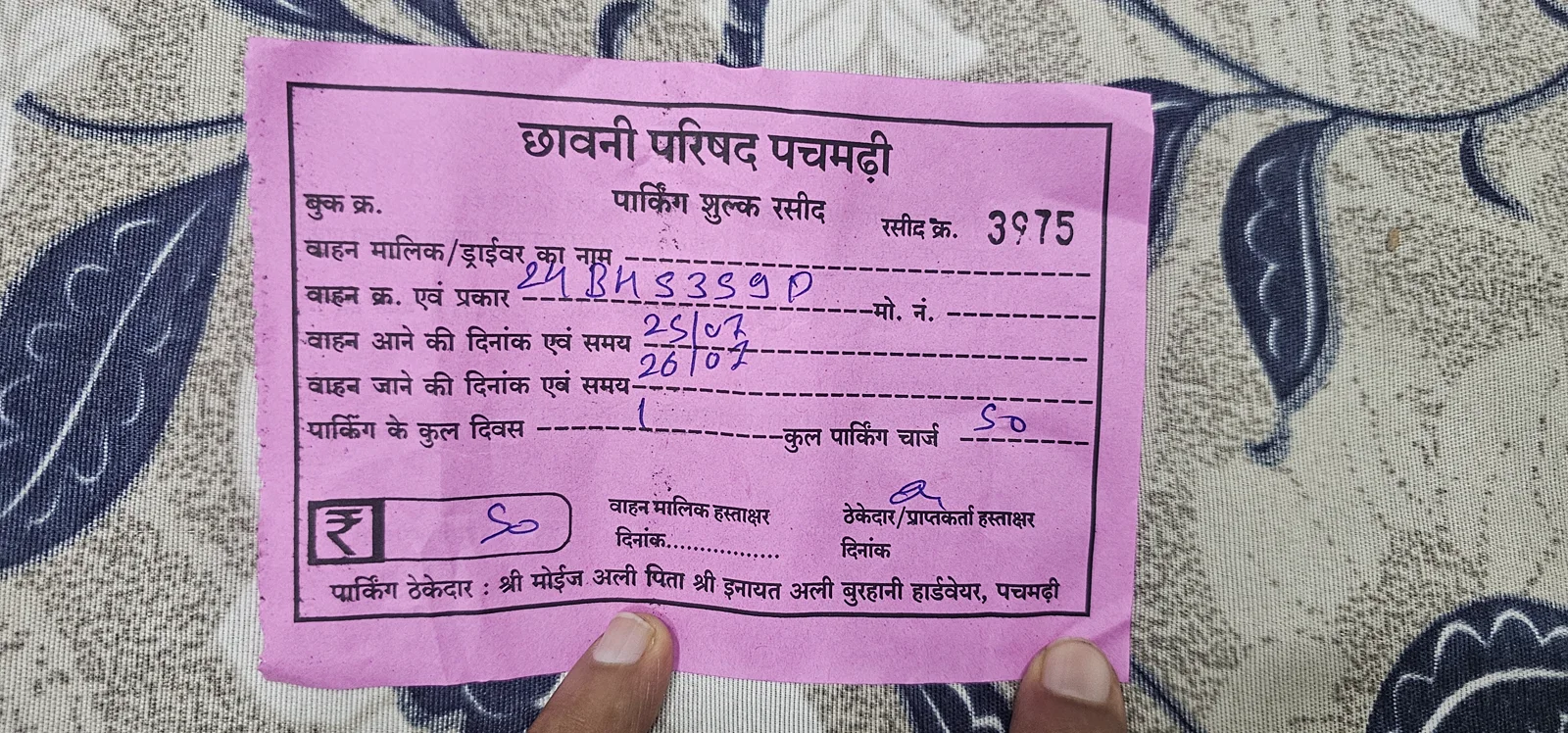
The ₹50 parking rule, decoded. Pachmarhi’s Cantonment Board parking is ₹50 for 24 hours — but for one entry. Leave the lot and come back, and it is a fresh ₹50. My hack: keep the car near your stay for the evening’s short hops, and put it into paid parking once for the night. Keep the pink receipt.
The homestay honestly reviewed
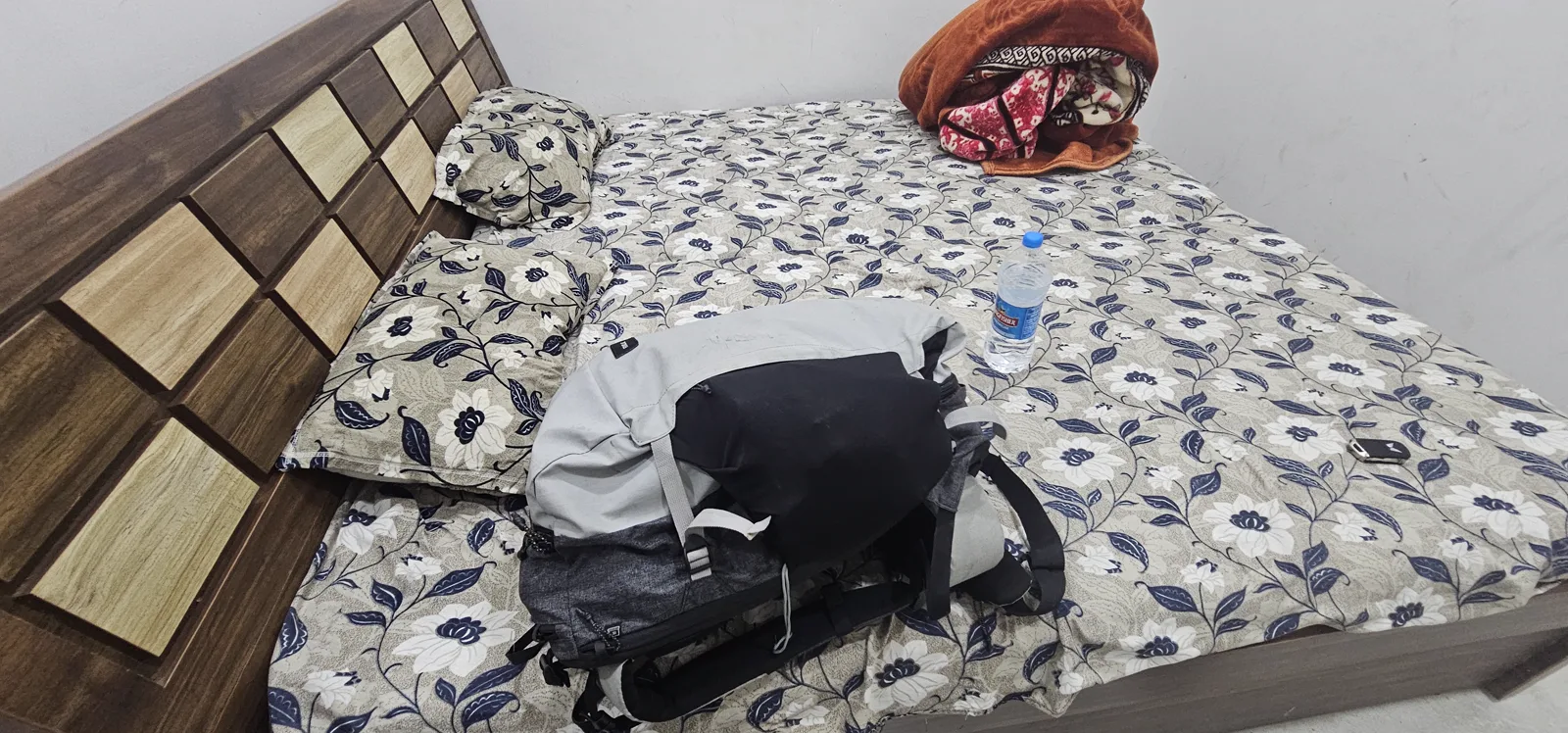
I stayed at Pavi’s Home Stay — a basic room with an attached bathroom and a bed, and that is about it. Honestly, not worth ₹2,000 a night in normal times. But this was not normal times: with 1,600-plus runners descending on a small hill town, rooms had evaporated — I had booked only two weeks out, and some hosts were reportedly cancelling early bookings to re-sell at higher rates. Book the moment you register, not later. The room did its one job: it held a bed the night before a race.
The mosquitoes, however, were training for their own marathon — and that Good Knight card from the market earned its keep. Dinner was the rest of that home-packed lemon rice and tomato chutney my family had sent along; then the quiet rituals every nervous runner knows — stretching, a hot-water Epsom-salt dip for the legs, a little oil rubbed in, and lights out early in the market’s soft noise.
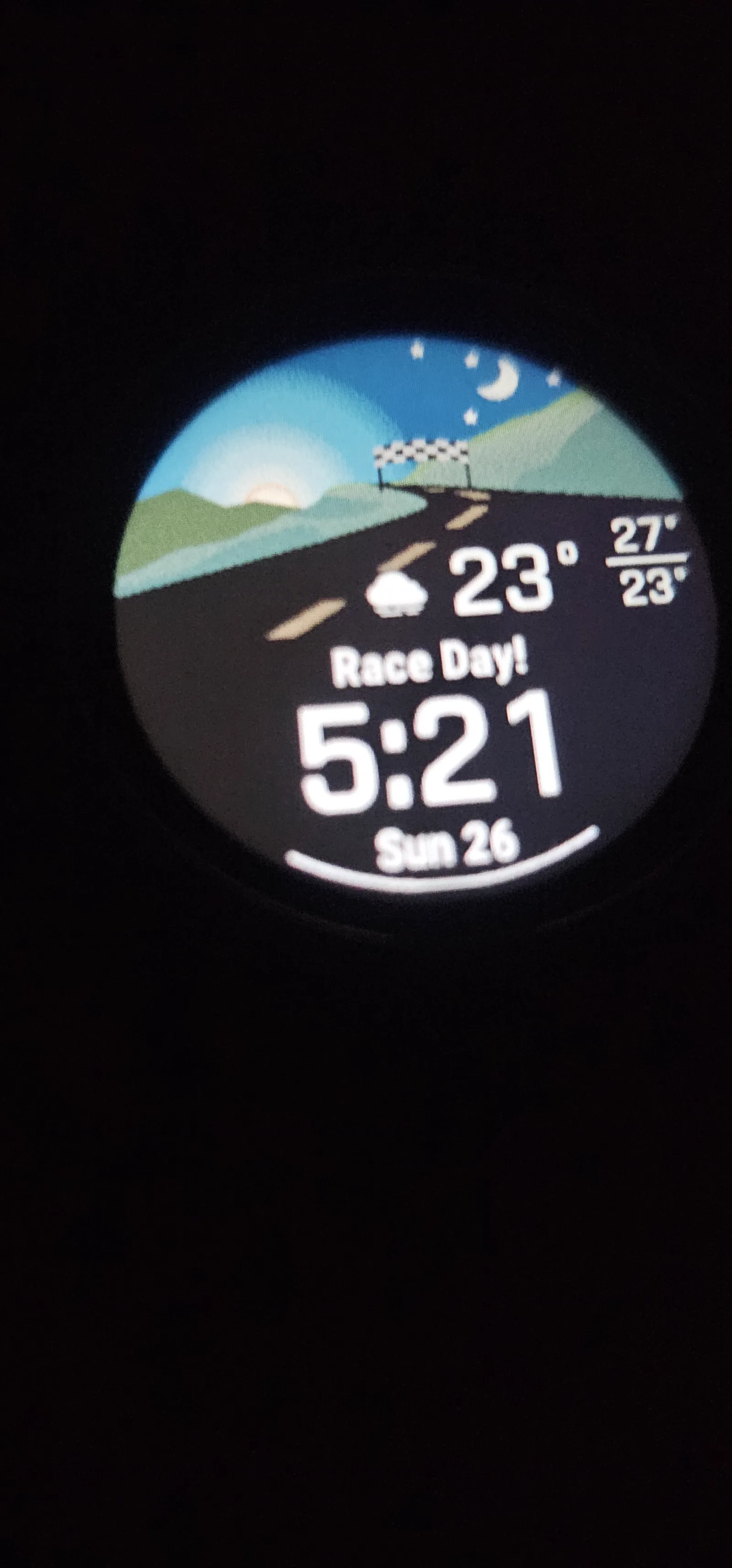
5:21 am: the watch says it first
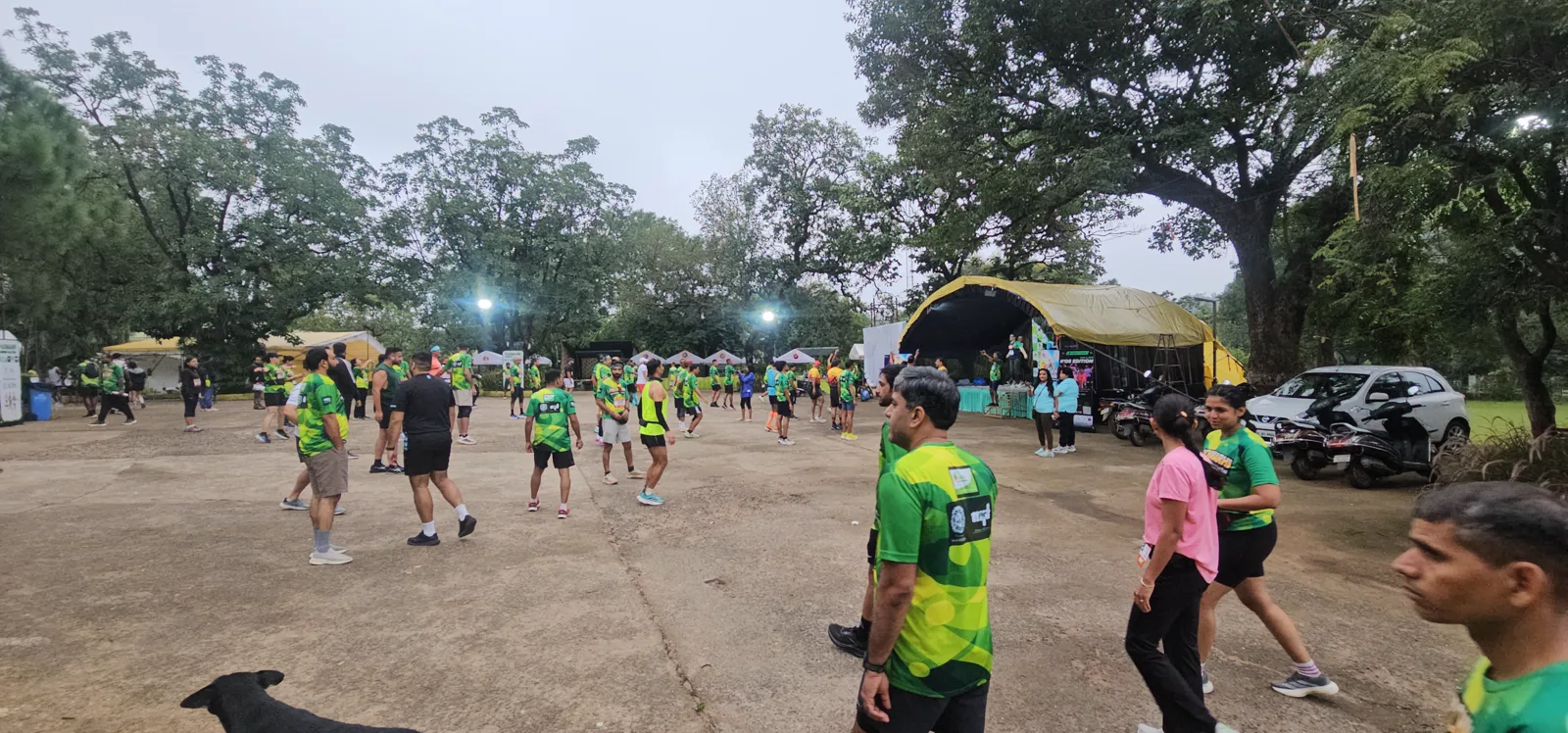
I woke before the alarm. The watch face had changed itself overnight to a little mountain sunrise and two words: “Race Day!” Outside, Pachmarhi was doing its part — 23°C, mist on the lamps, everything dripping green. A bath, my own tee with the bib pinned on, and a short drive through fog to the venue. Parked, warmed up, stretched, and walked to the arch.

The honest first kilometres
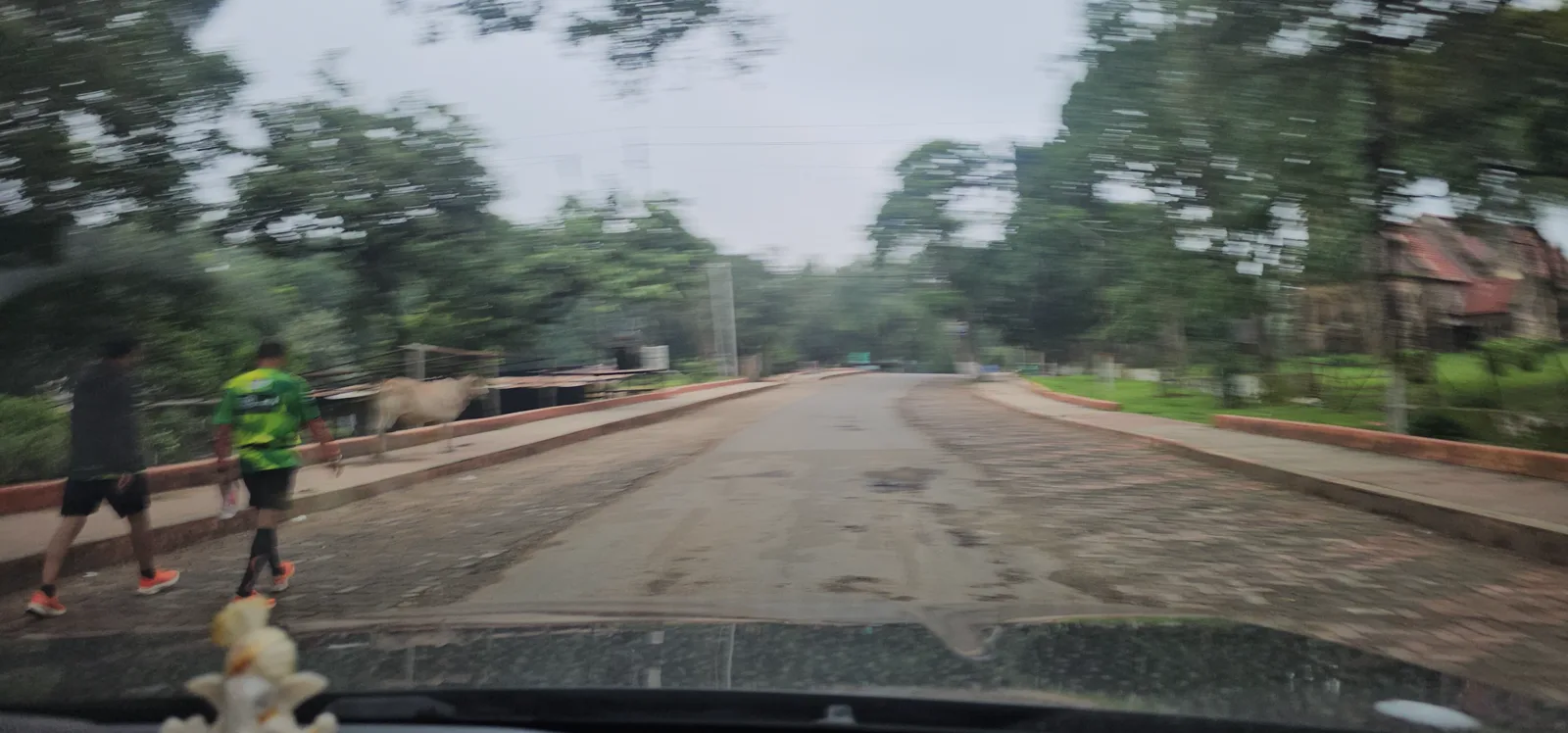
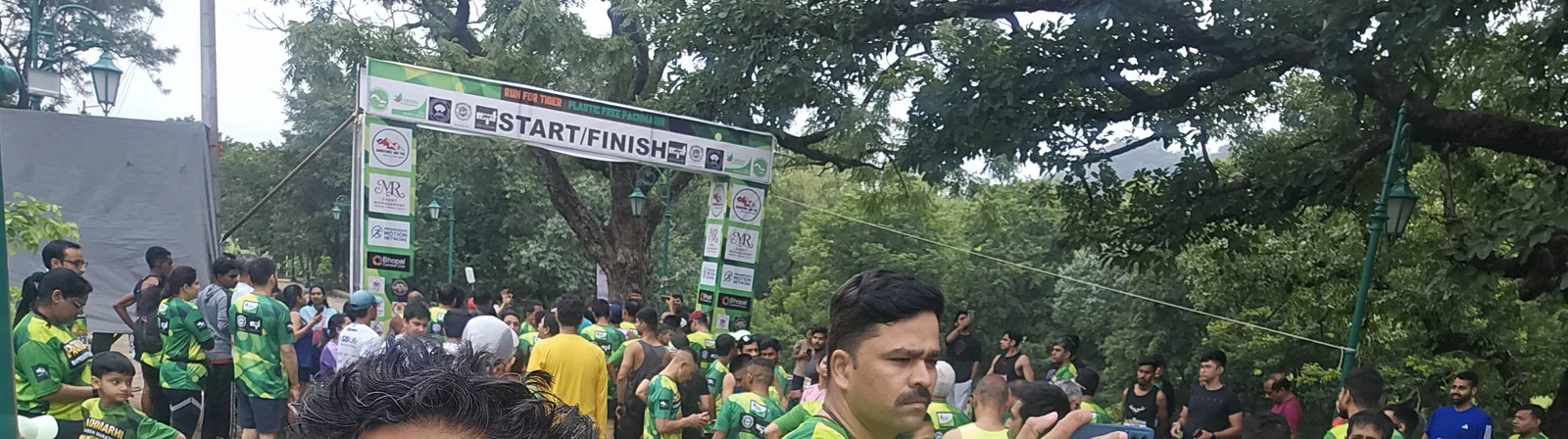
The green-and-yellow crowd at the START/FINISH arch — banners reading Run for Tiger and Plastic Free Pachmarhi — was over 1,600 strong across the four races. The 21.1K set off into the mist, and the course got straight to the point: the first few kilometres climb. On a hill plateau there is no flat warm-up; my legs argued, my pace sulked, and I wondered briefly what I had signed up for. This is normal in Pachmarhi — ride it out. Around the time the course dived into proper jungle, the rhythm arrived, and the run turned into the reason you come: wet forest smell, cloud sitting in the trees, long green corridors with nothing but footfalls.
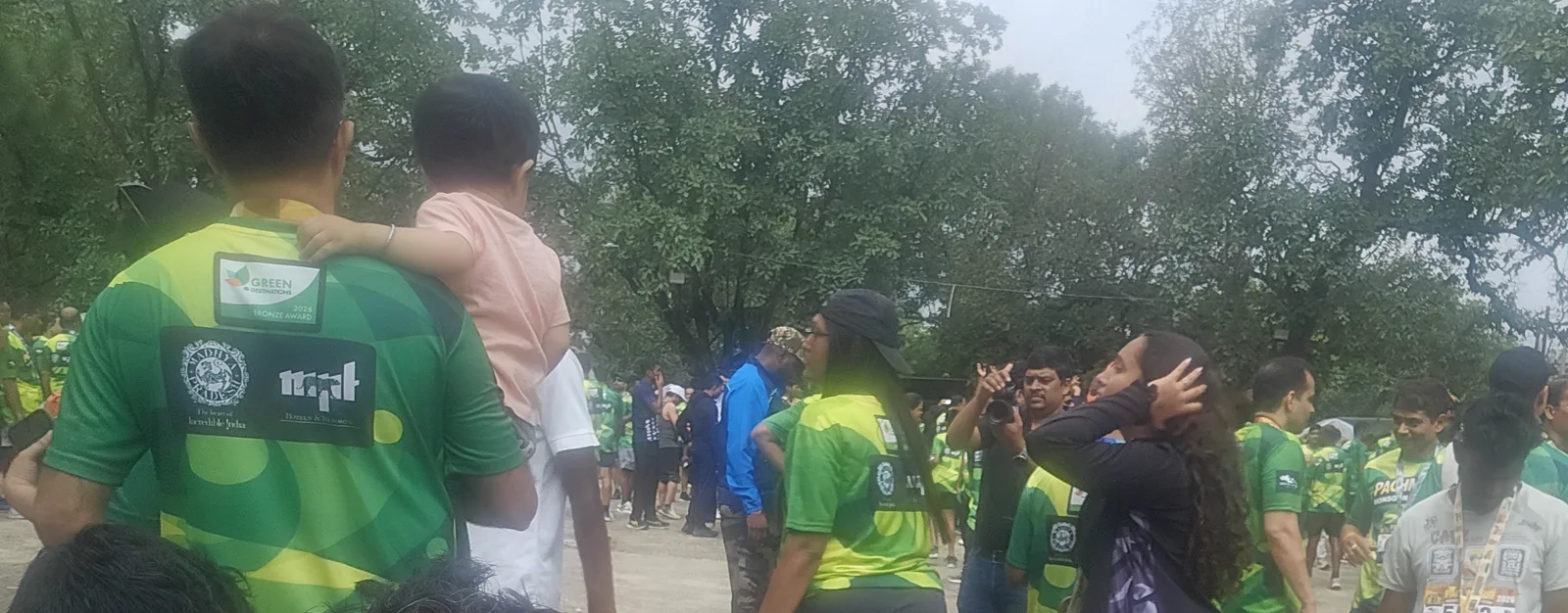
I was not chasing a time — I clapped for the fliers instead. Some of the fastest legs on that course were from Bhopal, which made me unreasonably proud, and the field around me ran from a 4-year-old in the fun run to an 84-year-old veteran. Somewhere out there, runners from Sweden, Mongolia, Peru and the USA were tasting their first Indian monsoon at 1,000 metres.
The first kilometres take something from you. The jungle pays it back with interest.
The medal that rode up in my boot
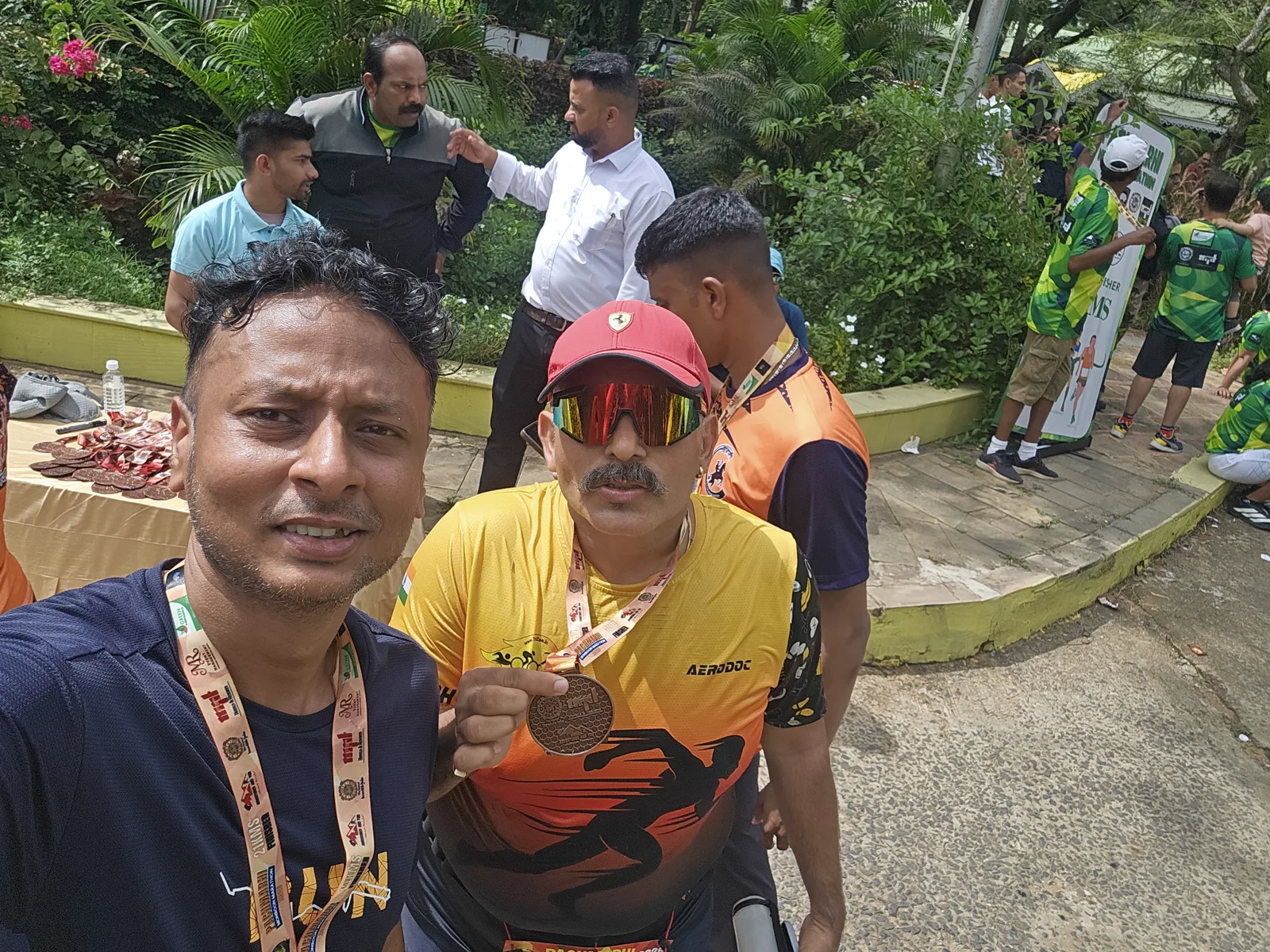
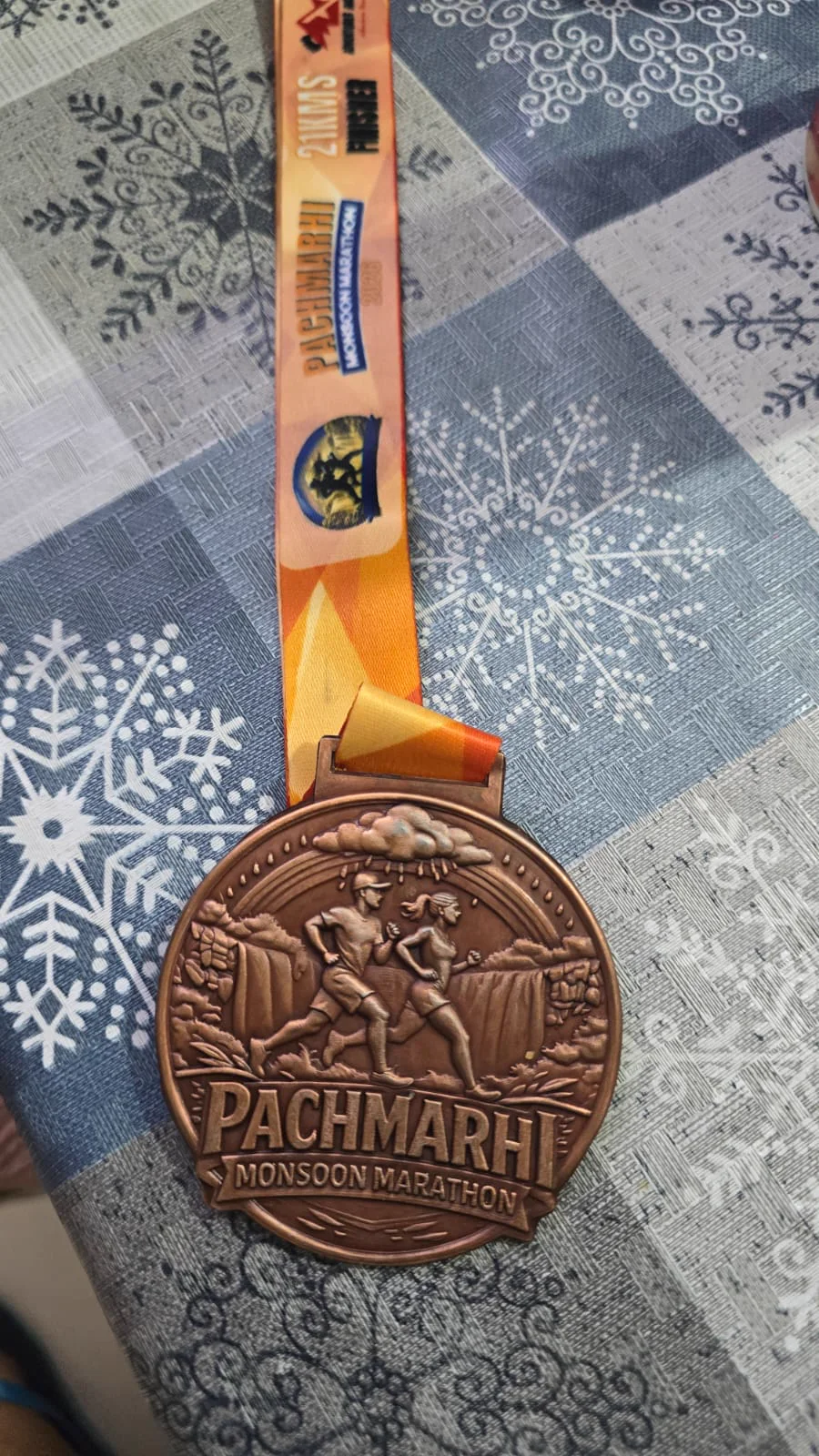
Then the arch again, from the good side. A volunteer put a finisher’s medal around my neck — cast with rain clouds, two runners and a waterfall, Pachmarhi Monsoon Marathon across the bottom. It had ridden up from Bhopal in one of my own five packets; I had delivered 1,600 of them and the race handed one quietly back. Then the important business: poha and bananas at the finish tables, medal selfies with strangers who no longer felt like strangers, and legs that felt honestly, happily used.
What the Pachmarhi Monsoon Marathon actually is
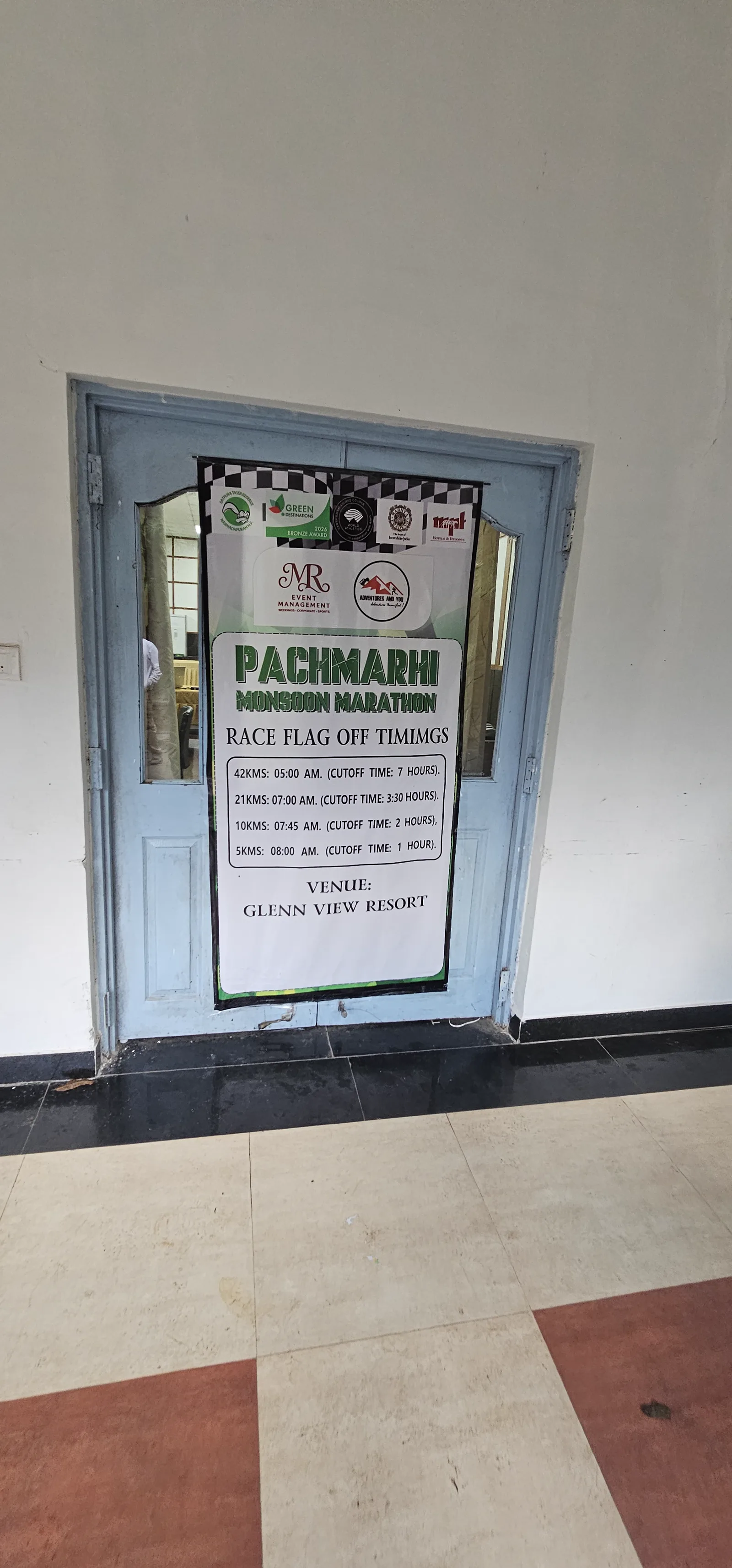
Credit where it is due: this is a serious, well-run event with a big heart. The 2026 edition — the 8th — was organised by Adventure And You with the MP Tourism Board and the district administration, flagged off by the local Member of Parliament. Four races, flagged off in the cool early hours under Satpura Tiger Reserve forest guidelines: 42.2K full at 5:00 am, 21.1K half at 7:00 am, 10K at 7:45 am and a 5K fun run at 8:00 am (cut-offs 7 hr, 3:30 hr, 2 hr and 1 hr). The full marathon climbs about 1,000 metres over its course — newspapers here happily call it one of India’s toughest and most beautiful. Everything ran on RFID chip timing, with medical teams and refreshment points down the route.
And it runs on a message: “Green Pachmarhi, Clean Pachmarhi” — Run for Tiger, a plastic-free hill, green tourism. Even the Satpura Tiger Reserve’s field director ran the 5K. It fits a town that received the Green Destinations Bronze certification at ITB Berlin 2026 earlier this year.
In the news. The 2026 race made the front pages across Madhya Pradesh — Haribhoomi, Raj Express, Dainik Bhaskar, Dainik Jagran and Dainik Anokha Teer all covered the 1,600-plus turnout, the 4-to-84 age range and international runners (see Oneindia Hindi’s highlights). The official event page lives on MP Tourism, with updates on the race’s Facebook page.
Home by 2:57 pm — limits, extended
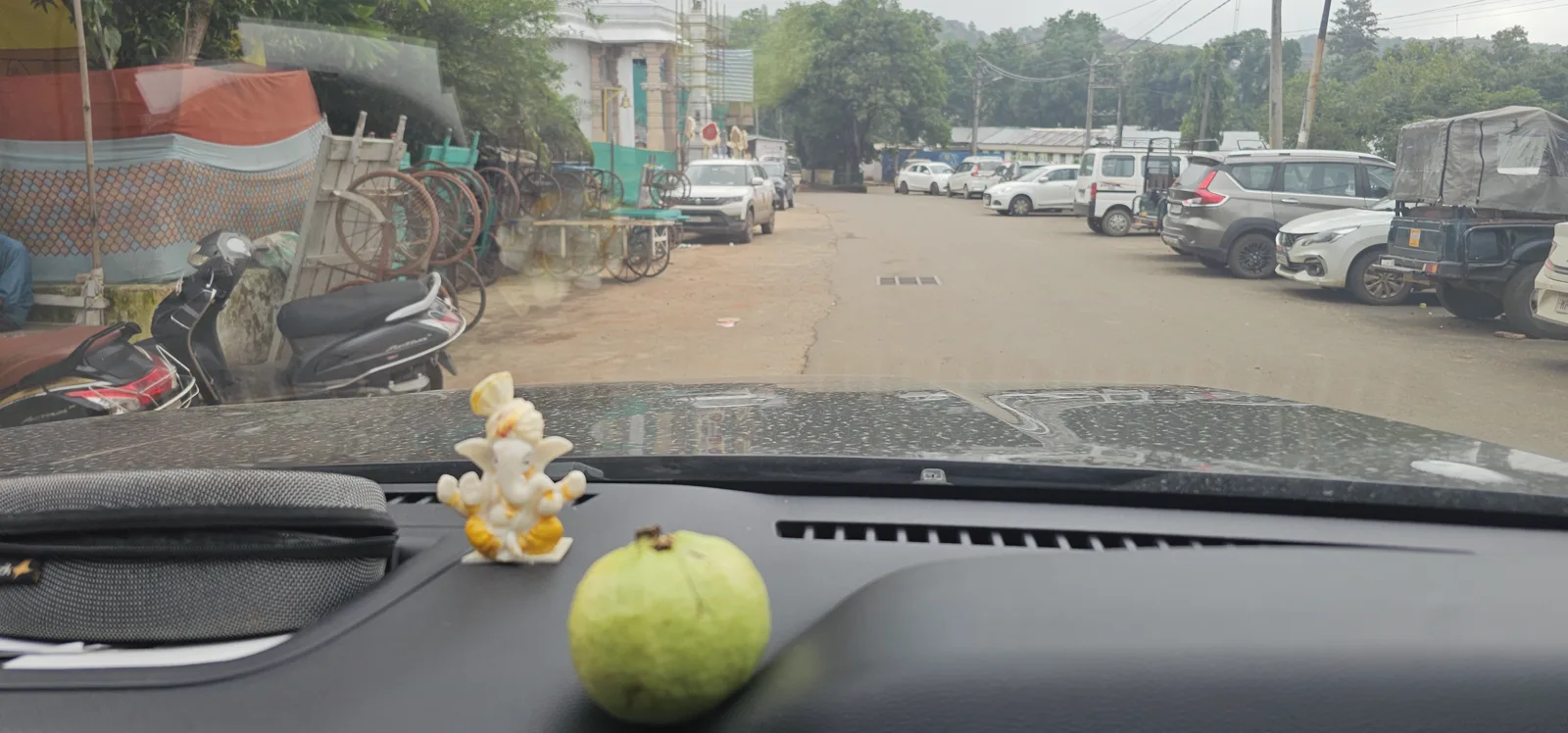
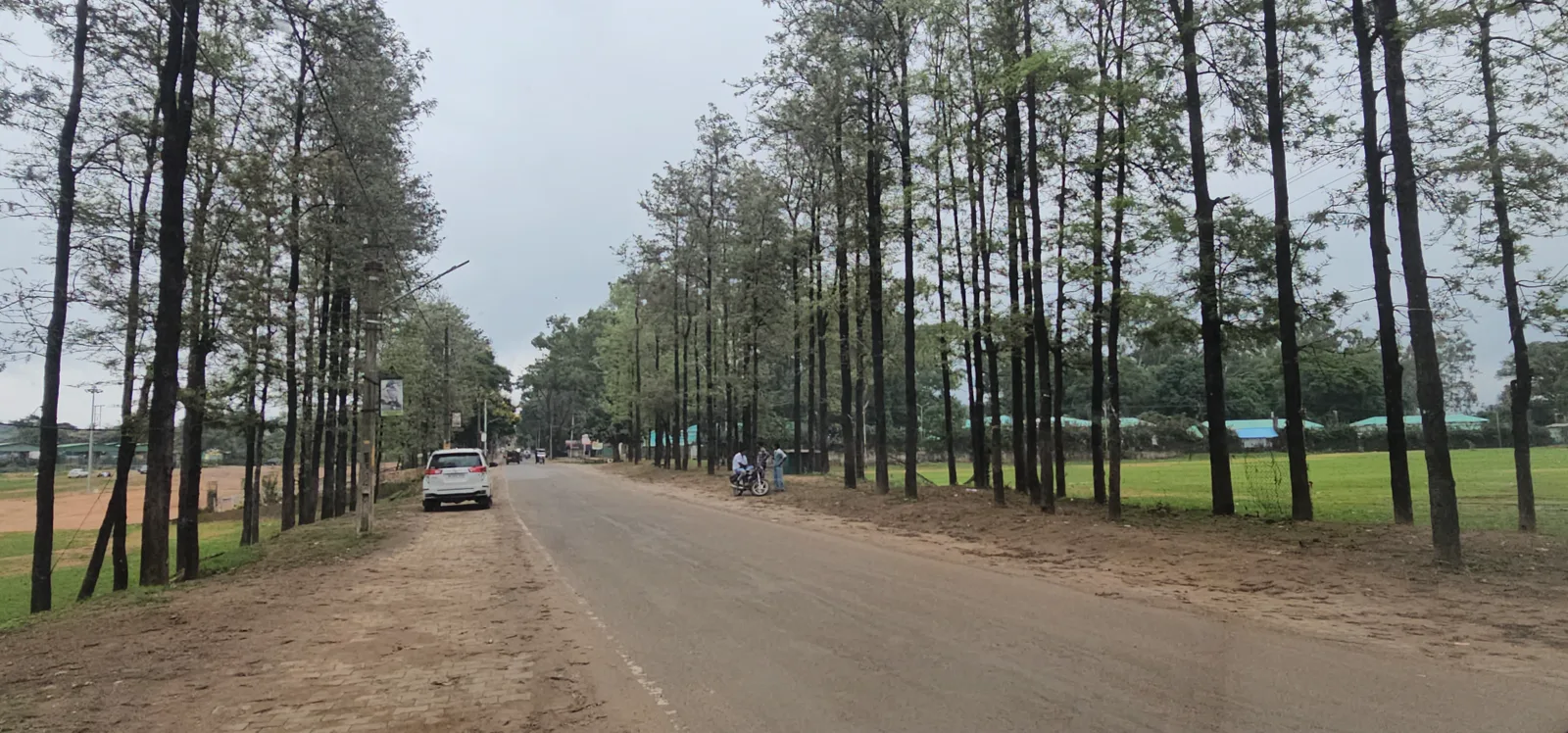
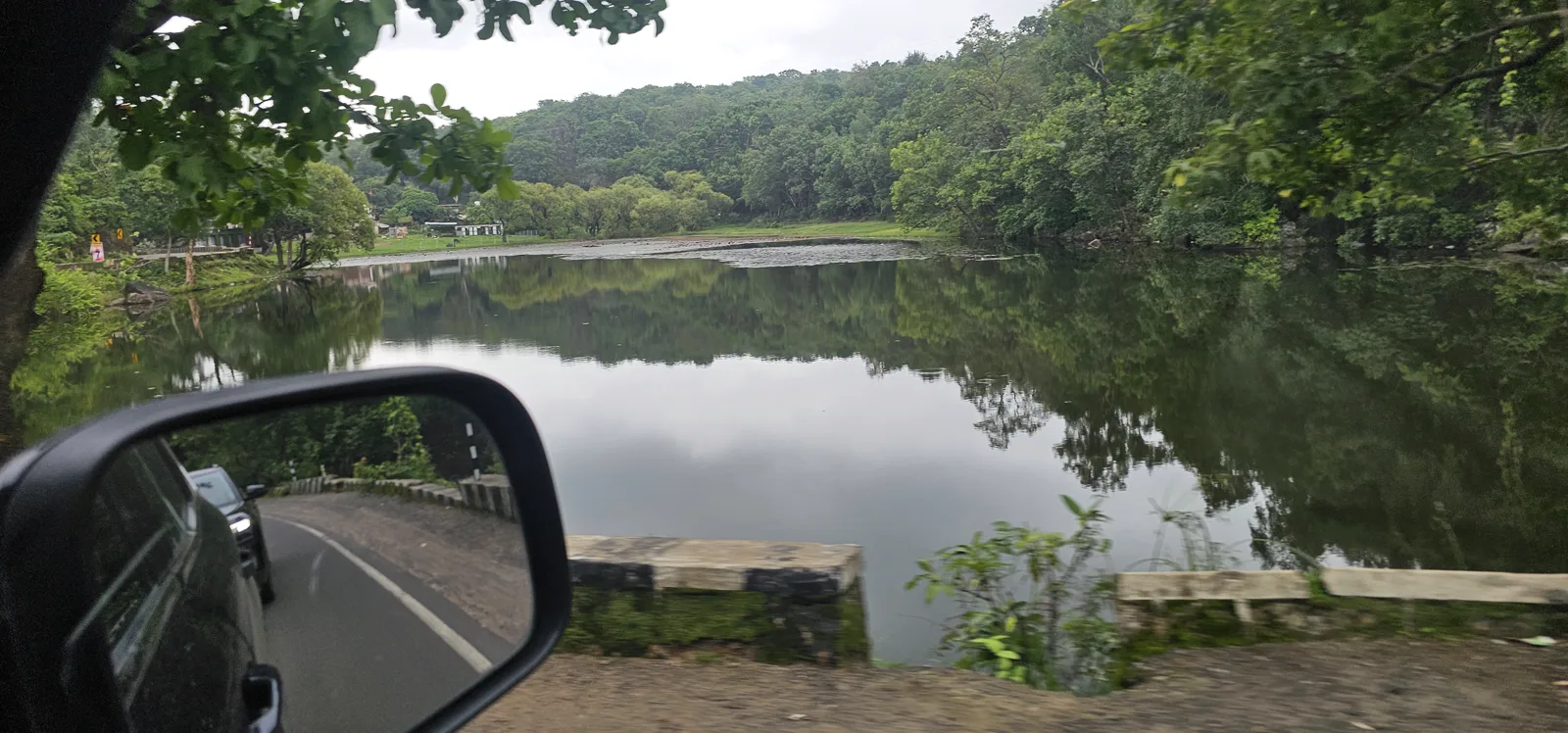
Back at the homestay I took one more Epsom-salt soak, resisted the nap that was making excellent arguments, and checked out around 11. Bought a bag of guavas on the way out — Pachmarhi’s roadside fruit is a thing — rolled down the pine avenues, past a rain-fed roadside lake, down the ghats and out of the hills. I left Pachmarhi a little after 11 and was home by 2:57 pm — about three and a half hours for the ~210 km back.
Here is the part I keep coming back to: I ran a half marathon and drove myself home the same afternoon, with barely any fatigue. Part of that is not racing the clock; most of it is what a race weekend in clean, cool mountain air does for you. I extended my limits, and it felt easy. That is the whole point of these events.


The weekend in numbers
- 447 km — driven, Bhopal ⇄ Pachmarhi
- 21.1 km — half marathon finished
- 1,600+ — runners, aged 4 to 84
- ~29 hours — door to door
Why you should do this (yes, you)
- Put a race on your calendar. Nothing rebuilds a running habit — or an injured runner’s confidence — like a start line with a date on it.
- Events like this are all around Bhopal. Pachmarhi’s monsoon run, Bhopal’s own 21K, park runs — pick one, register, and the training takes care of itself.
- Pachmarhi in the rains is a different planet — full lakes, running waterfalls, mist on the pines — and it is one easy drive from Bhopal.
- You don’t need to be fast. A 4-year-old and an 84-year-old crossed the same finish line. Clap for the fliers, run your own run.
- Go even if you don’t run — race weekends fill the town with energy, and the 5K fun run takes walkers happily.
Pachmarhi Monsoon Marathon — practical guide
- The event: Pachmarhi Monsoon Marathon — every year in July at MPT Glen View, Pachmarhi. 2026 was the 8th edition, with 1,600+ runners. Official page: mptourism.com · updates on Facebook.
- Races & start times (2026): 42.2K full — 5:00 am · 21.1K half — 7:00 am · 10K — 7:45 am · 5K fun run — 8:00 am (cut-offs 7 hr / 3:30 hr / 2 hr / 1 hr). Entry fees from ~₹500; RFID chip timing, medal, certificate, tee and route refreshments included.
- Getting there: Bhopal → Pachmarhi is ~200–210 km, a 4–5 hour drive via Obaidullaganj, the Narmada and Tawa bridges, and the forest climb after Matkuli. Nearest railhead: Pipariya (~50 km). Go up on Saturday, race Sunday morning, and you’re home by tea.
- Stay — book early! Race weekend swallows this small town whole. Book the day you register. MPT properties (Glen View, Highlands, Champak Bungalow) go first; homestays fill next — at ₹2,000+ for very basic rooms once supply runs out.
- Parking: Cantonment Board paid parking — ₹50 per 24 hours, single entry — every re-entry is charged again. Park once for the night; keep the receipt.
- Race-weekend kit: Run in your own trained-in shoes and tee (size surprises happen). Pack a rain layer, mosquito coil/repellent, Epsom salt for the pre- and post-race soak, home snacks, and dry clothes for after.
- Make a trip of it: In monsoon — Champak Lake (Boat Club) with its 675 m zip-line and boats, Bee Fall, the Rajat Prapat viewpoint, Dhupgarh sunset (MP’s highest point, 1,352 m), Bison Lodge museum. Note: Satpura Tiger Reserve’s core safari zones stay closed July–September; the town, falls and viewpoints stay open.
One small tip. Respect the first three kilometres. Pachmarhi starts every race with a climb, whatever the distance — go out easy, let the hill decide your warm-up, and save the heroics for the jungle stretch where the course finally gives back.
Photo & video gallery
More from the Journal: for another long Madhya Pradesh road trip, read Pench Tiger Reserve — the real forest behind The Jungle Book; or the four-day monsoon circle of Khajuraho — Water & Stone.
Verified July 2026. Event facts (8th edition, 1,600+ runners aged 4–84, international participants, category start times, ~1,000 m elevation gain of the full marathon, RFID timing, Run for Tiger / Plastic-Free Pachmarhi themes, flag-off by the Narmadapuram MP) are from print coverage of 27 July 2026 in Haribhoomi, Raj Express, Dainik Bhaskar, Dainik Jagran and Dainik Anokha Teer, cross-checked with the official MP Tourism event page and Oneindia Hindi’s race report. Pachmarhi facts (1,067 m altitude, Forsyth 1857, Dhupgarh 1,352 m, UNESCO Biosphere Reserve 2009, Green Destinations Bronze certification at ITB Berlin 2026) are from UNESCO, MP government sources and press releases. Champak Lake / Boat Club, zip-line and parking details are from our own visit and GPS-tagged photos. All photographs and video © bhopali.in / Manish Mahadware, from our race weekend of 25–26 July 2026. Run green: carry your litter back, and keep Pachmarhi plastic-free.